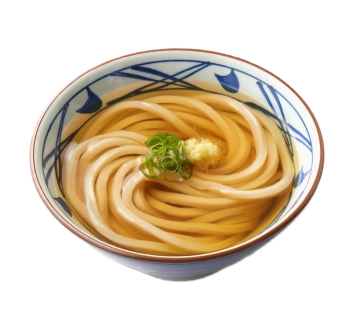
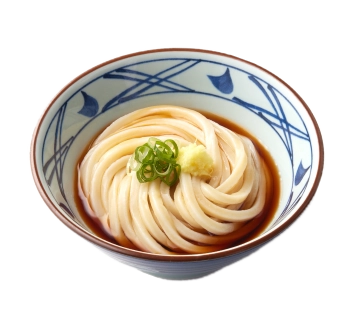
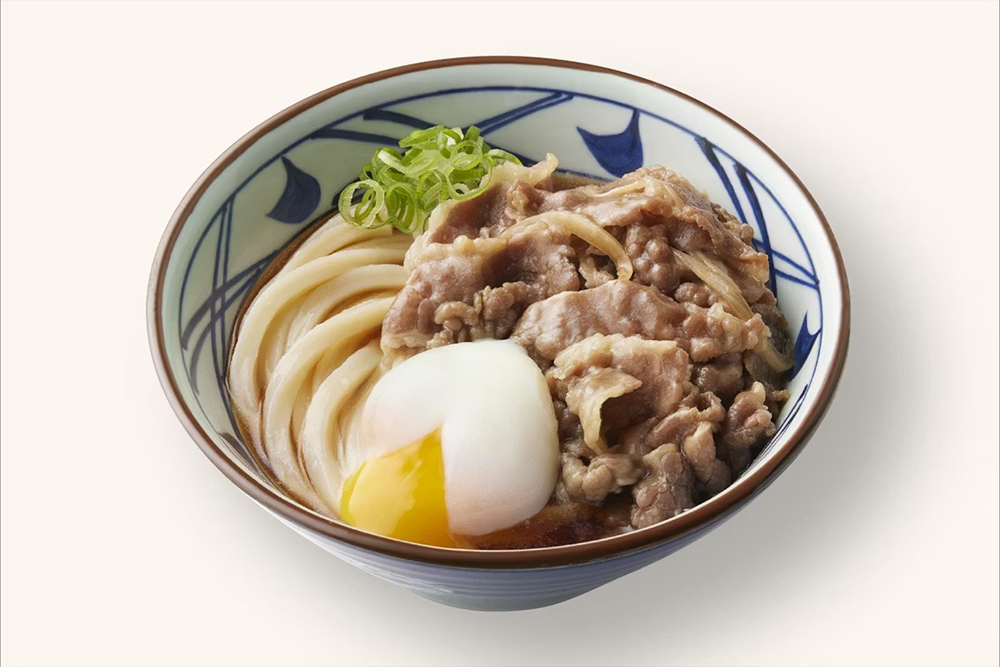
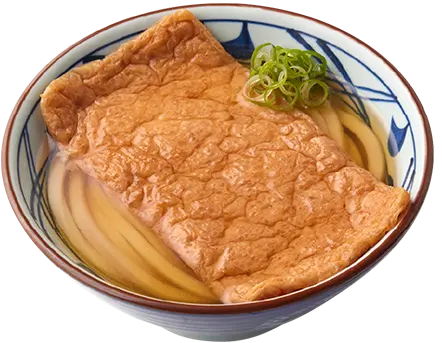
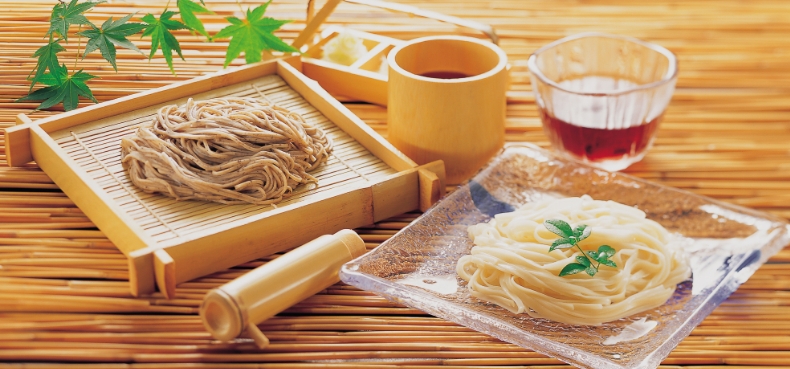
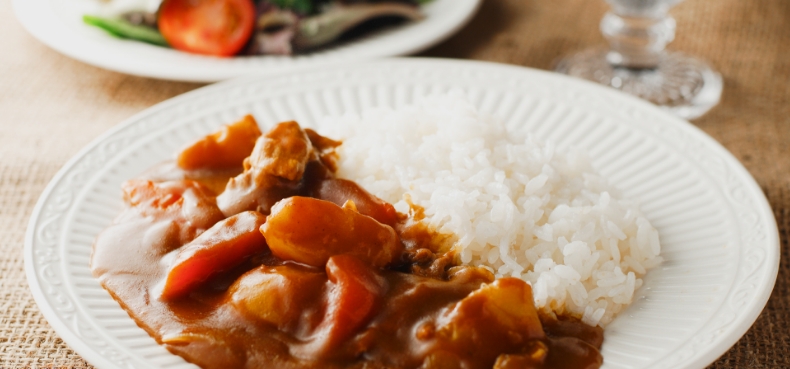
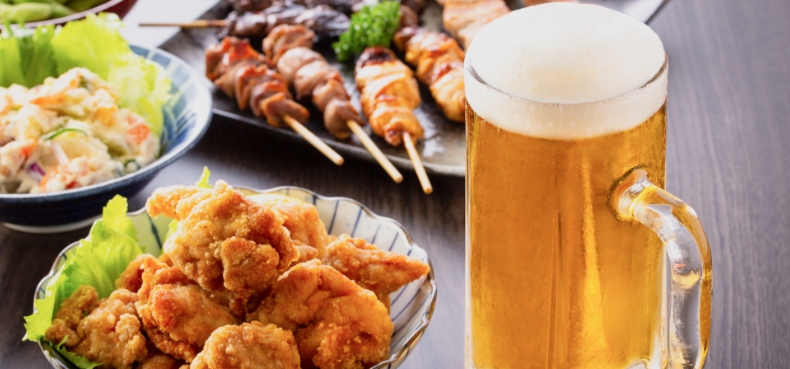
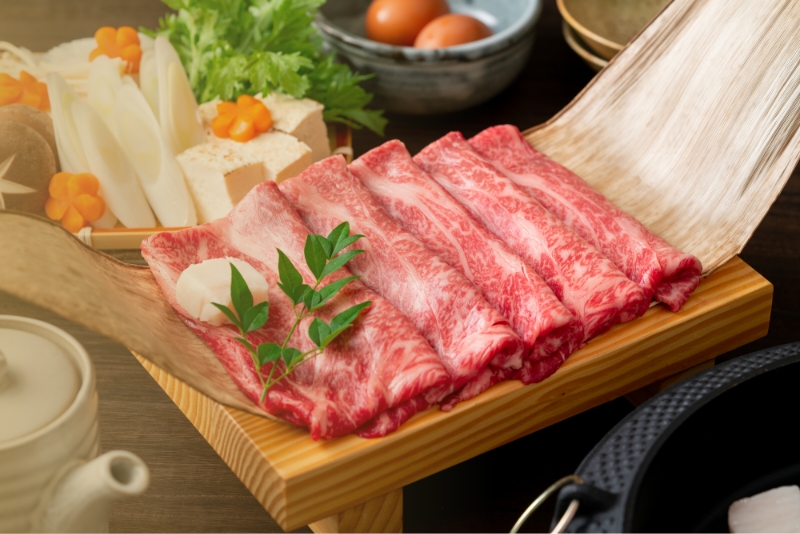
The Japanese Food Boom is Evolving. American diners are no longer satisfied with "Japanese-style" imitations—they crave the real deal.
Our mission is to bridge that gap. By bringing authentic Japanese franchises directly to the U.S., we deliver the unrivaled flavors and precision techniques that only a brand born in Japan can offer.
Explore the brands defining the next era of authentic dining.
Why are Japanese food brands chosen?
As the Japanese food market expands,
success is driven by authentic brands backed by proven know-how.
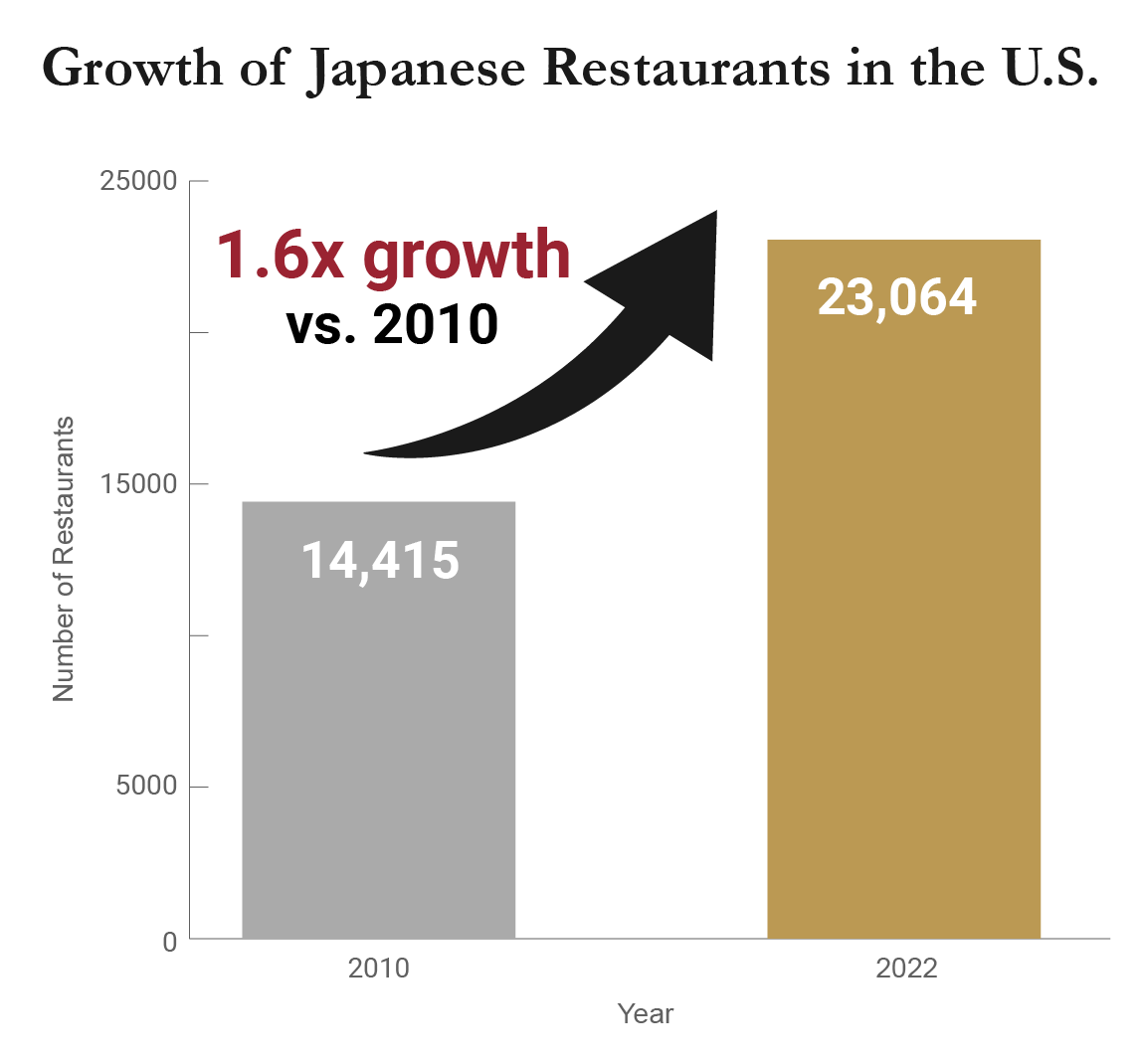
The number of Japanese
restaurants in the United States has increased by approximately 1.6 times over the past 12
years,
surpassing 23,000 establishments as of 2023*1. This ranks Japanese cuisine fourth, following
Italian, Mexican, and Chinese cuisines.
However, the Japanese food category cannot yet be considered saturated. When considering the
significant growth potential, particularly in mid-sized cities and suburban areas, Japanese cuisine
stands out as a promising option.
In such circumstances, demand is shifting from Japanese-style cuisine to more
authentic Japanese
cuisine. This is precisely why Japanese-origin franchises, with
their established know-how and strong brand power, provide a rational starting point for successful
business expansion.
[Advertisement] Choose by area characteristics
Three Selected Japanese Food Franchises
Even within Japanese food, the most receptive customer segments vary by genre. This section introduces
recommended Japanese food genres based on the characteristics of the prospective area, along with Japanese
franchise brands that already operate locations in the United States.
Advertiser Disclosure:
We receive compensation from some of the companies listed below.This compensation may affect which companies are included and the order in which they appear.
Target
Family-oriented suburban areas
Yakiniku Japanese BBQ
Features
Offers the fun of cooking at the table and a sense of occasion, making it ideal for family
gatherings
Profitability
High average spend per customer, with additional revenue from alcohol sales
Operations
No special cooking skills are required as customers grill the food themselves.
Recommended Brand
Gyu-Kaku
Source: Gyu-Kaku official website (https://www.gyu-kaku.com/)
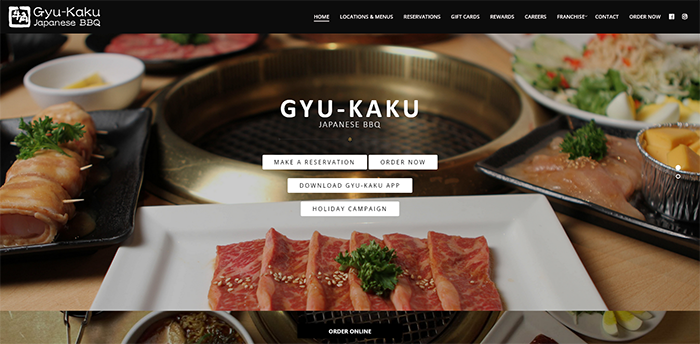
Gyu-Kaku delivers authenticity through certified Japanese A5 Wagyu.
By also featuring USDA Prime beef, they offer steakhouse-quality dining at accessible
prices.
From import to processing, Japanese staff strictly manage quality at
every step, delivering the same authentic flavor found in premium yakiniku
restaurants in Japan.
Click to show financial details
Franchise fee
$50,000
Initial investment
Approx. $1,215,444 to $2,606,540
Royalty
5% on annual sales up to approx. $1,500,000
4.5% on annual sales from approx. $1,500,000 to $2,000,000
4% on annual sales over approx. $2,000,000
Number of restaurants
825 worldwide (including 63 in the United States and 580 in Asia)
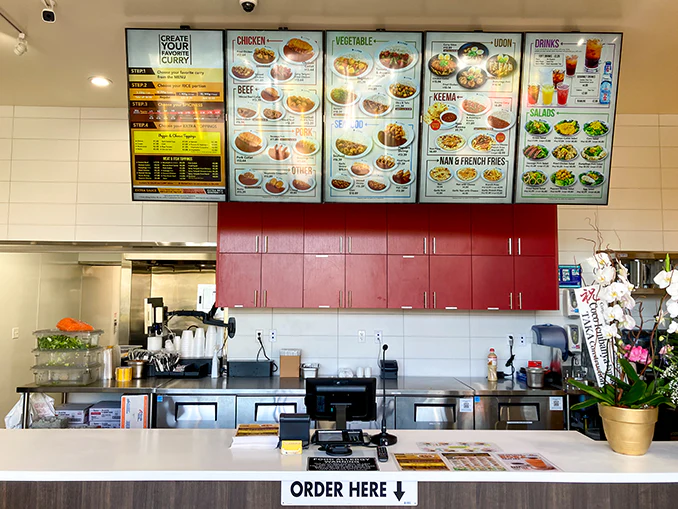
A rice-and-curry combination served in a single dish, offering a filling and satisfying meal
Profitability
Customizable spice levels and toppings encourage repeat customers.
Operations
In-store preparation is simple, as ingredients are often pre-cut and only require heating before
service
Recommended Brand
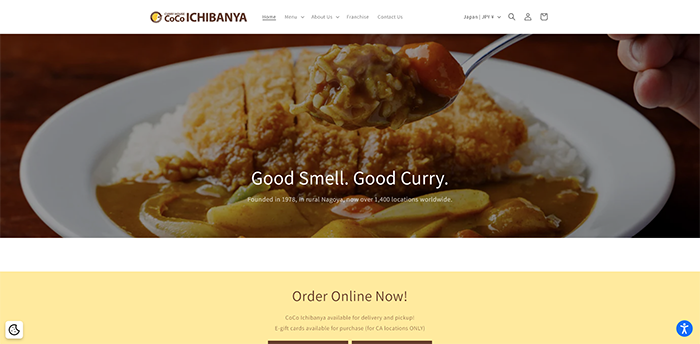
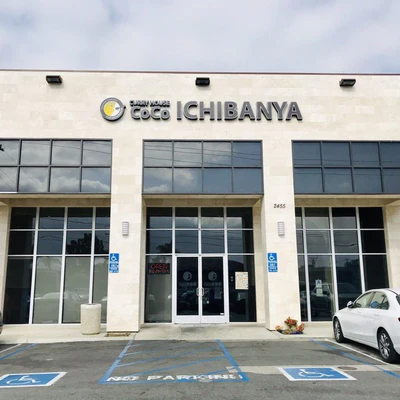
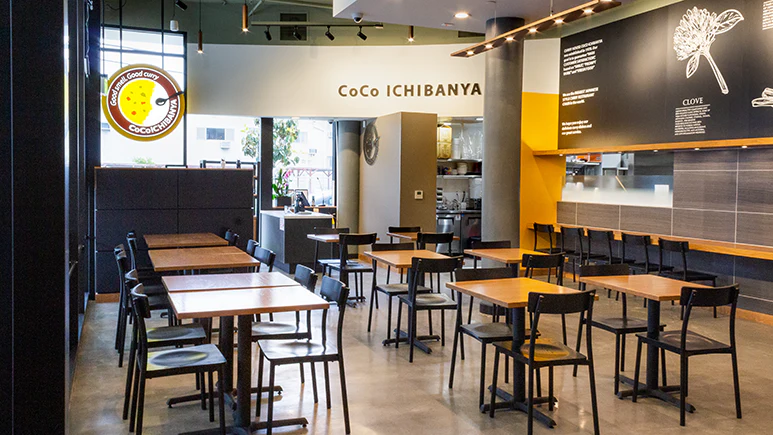
CoCo Ichibanya
Source: CoCo Ichibanya official website (https://ichibanyausa.com/)
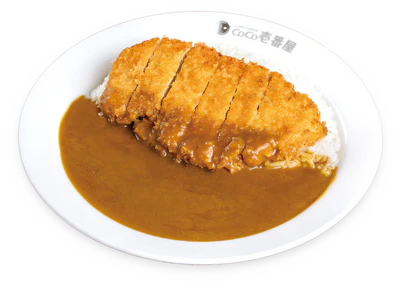
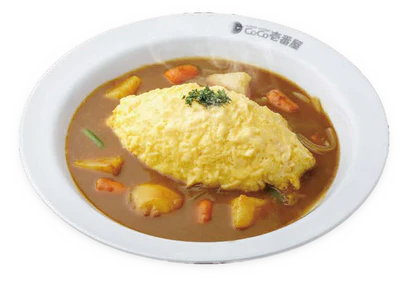
A wide range of toppings, from chicken katsu to omelets, ensures a
fresh experience every visit, driving strong customer loyalty.
In addition to toppings, customers can adjust rice portions and spice
levels, making the menu
enjoyable for those who prefer milder flavors as well as those who want larger portions.
Click to show financial details
Initial franchise fee
$40,000
Initial investment
Not listed
Royalty
Not listed
Number of restaurants
1,480 worldwide (including 11 in the United States and 1,467 in Asia)
Low in fat and calories, udon’s broth-based flavor profile is well received by health-conscious,
affluent consumers.
Profitability
While unit prices are low, a high turnover rate can be expected.
Operations
Adopting a self-service style reduces the need for floor staff.
Recommended Brand
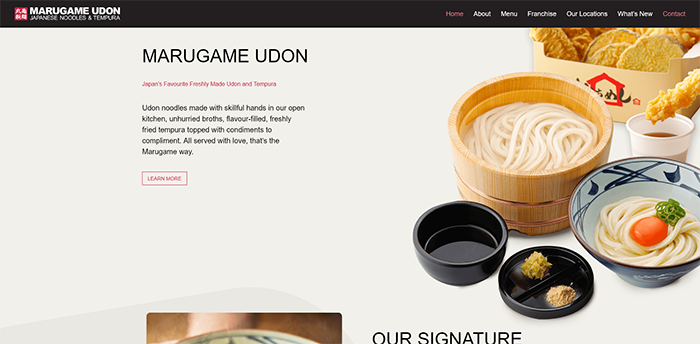
Marugame Udon
Source: Marugame Udon official website (https://ca.marugame.com/)
As a popular chain with 861 locations in Japan*1, franchisees are able to
consistently serve
udon noodles with a firm, chewy texture, supported by the headquarters after
opening.
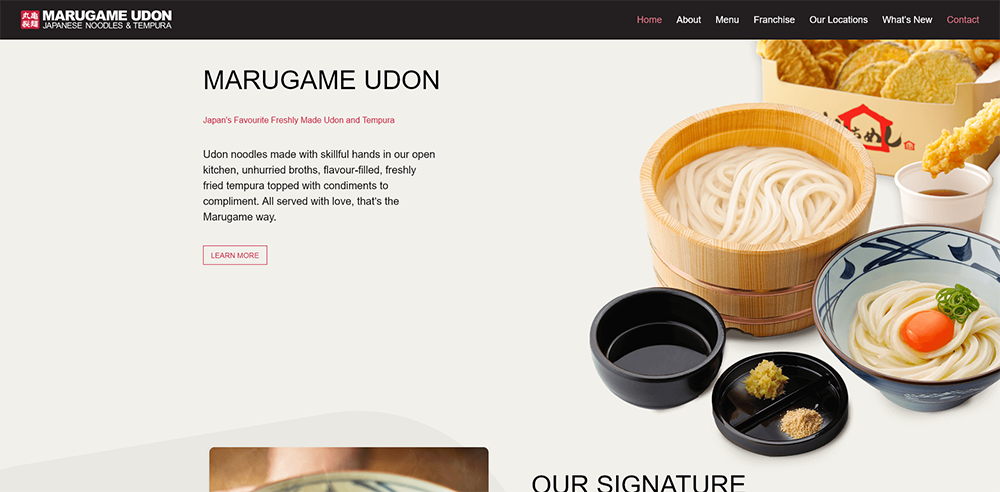
The noodle-making, boiling, and cooling processes are demonstrated in an open kitchen,
allowing customers to enjoy a freshly made, live dining experience.
Click to show financial details
Franchise fee
$40,000 to $64,000
Initial investment
$1,126,500 to $1,980,000
Royalty
5% of sales
Number of restaurants
1,188 worldwide (including 23 in the United States and 1,155 in Asia)
*1 Source: Marugame Udon official website (https://jp.marugame.com/shop/), as of a
December 2025 survey
*2 TripAdvisor: New York City location, as of October 28,
2025(https://www.tripadvisor.jp/Restaurant_Review-g60763-d3175593-Reviews-Gyu_Kaku_Japanese_BBQ-New_York_City_New_York.html)
*3 TripAdvisor: Irvine location, as of October 28,
2025(https://www.tripadvisor.jp/Restaurant_Review-g32530-d9750729-Reviews-Coco_Ichibanya-Irvine_California.html)
*4 TripAdvisor: Los Angeles location, as of October 28,
2025(https://www.tripadvisor.jp/Restaurant_Review-g32655-d4019757-Reviews-Marugame_Monzo-Los_Angeles_California.html)
* TripAdvisor ratings are based on the highest-rated U.S. location.
*The number of restaurants is based on the following references. As of a December 2025
survey
Gyu-Kaku official website (https://www.gyukaku.ne.jp/world.php)
CoCo Ichibanya official website (https://www.ichibanya.co.jp/comp/ir/finance/highlight/graph01.html)
Marugame Udon official website (https://jp.marugame.com/shop/)
A Detailed Look at Three Selected Japanese Food
Franchises
Target
Family-oriented suburban areas Yakiniku(Japanese
BBQ)
Recommended Brand:
Gyu-Kaku
Source: Gyu-Kaku official
website https://www.gyu-kaku.com/chicago-lake-view/
Source: Gyu-Kaku official
website https://www.gyu-kaku.com/waikiki/
Source: Gyu-Kaku official
website https://www.gyu-kaku.com/cincinnati/
Gyu-Kaku’s Growth Potential and
Future Prospects
A proven franchise brand with 60 locations already operating in
the United States
Gyu-Kaku began as a small yakiniku restaurant that opened in 1996 in Sangenjaya, Tokyo,
with a floor space of just 17 tsubo (approx. 56 m2). The company's dedication to improvement was so absolute that they "bought customer feedback for 300 yen. This commitment led the Yakiniku boom in Japan, growing the brand into the nation's No. 1 with 487 stores*1.
That value is also highly regarded overseas. The style of grilling
raw meat at the table
to one’s own preference has gained global popularity, leading Gyu-Kaku to expand
into 12
countries, including the United States, Asia, and Europe*2. In particular, in the United
States, Gyu-Kaku has expanded to 63 locations to date*3, establishing a solid position
as a leading Japanese BBQ brand.
In short, Gyu-Kaku is a brand that is well accepted in the United States and is expected
to continue growing. Backed by established know-how and strong brand strength, starting
a business in a growing market provides franchise owners with significant reassurance
and potential for success.
*1 Gyu-Kaku official website (https://map.reins.co.jp/gyukaku/map), as
of a December 2025 survey
*2 Gyu-Kaku official website (https://www.gyukaku.ne.jp/world.php), as
of a December 2025 survey
*3 Gyu-Kaku official website
(https://www.gyu-kaku.com/locations-menus/
as of a December 2025 survey
The Value of Franchising with Gyu-Kaku
Source: Gyu-Kaku official website (https://www.gyu-kaku.com/kapiolani/)
The relentless pursuit of quality
drives customer satisfaction and repeat patronage
Where many restaurants label any beef with Japanese lineage
as “Wagyu,” Gyu-Kaku exclusively offers A5-grade Wagyu certified as being of
Japanese origin.
Japanese staff are consistently involved at every stage, from
transportation and receipt to processing and restaurant operations, ensuring
rigorous control over everything from hygiene to consistency of flavor.
Delivering the same quality as an authentic Japanese yakiniku restaurant, even
in the United States, can enhance customer satisfaction.
Another appealing point is the high average spend per table, driven by strong
demand from families. For example, course menus start at $80 for two people.*
*Source:
(https://www.gyu-kaku.com/wp-content/uploads/2025/08/sk-w_course2508.pdf?_ga=2.260722125.1389211663.1764845536-263838699.1764845522),
referencing the value course (regular price) at the Cupertino, California
location
Source: Gyu-Kaku official website (https://www.gyu-kaku.com/kapiolani/)
Original menu items that put a unique twist on American
classics
attract a wide range of customers.
The menu is designed not only to feature authentic Japanese yakiniku, but also
to blend seamlessly into American culinary culture. One example is the classic
American sweet, the s’more. At Gyu-Kaku, diners can enjoy
the familiar American
tradition of roasting marshmallows over a yakiniku grill until they are
perfectly toasted and soft, and then sandwiching them with chocolate between
crackers.
By offering an authentic Japanese yakiniku experience alongside menu options that
reflect uniquely American tastes, Gyu-Kaku can appeal to a wide range of
customers, from adults to children.
Provision of basic design and layout specifications
Proposals for layout, facilities, and menu
Site selection support
Loan of confidential manuals
Construction support services (direct assistance or full management)
Initial startup support
Show
support details
After opening
Access to intranet and website
Additional operational support and advice
Periodic sales and management reviews
Guidance on improving restaurant conditions
System-wide annual convention
Cooperative advertising
Additional training programs
Support for POS and computer systems
Intranet maintenance costs
Participation in the Gyu-Kaku Mobile App Rewards Program
Compliance with employee uniform and grooming standards
Regular renovation and remodeling obligations
On-site visits
Audits
Customer relations (comment cards, surveys, etc.)
Show
support details
Comprehensive support is provided from equipment installation
through post-opening improvements
Yakiniku is a type of business that requires specialized facilities, such as ventilation
systems and table grills. However, even including the installation of
such large-scale
equipment, Gyu-Kaku headquarters provides consistent support, from property selection
and
restaurant layout to equipment specifications and construction.
After opening, Gyu-Kaku provides regular operational guidance and reviews, as well as
restaurant inspections. Expertise accumulated from numerous successful
locations helps
support franchisees in increasing sales.
With this comprehensive support, franchisees can operate restaurants that are chosen by
customers even in the highly specialized field of Japanese-style yakiniku.
Benefits of becoming a Gyu-Kaku franchisee, based on analysis of customer feedback
A brand that attracts repeat customers with the perfect combination of taste, price, and
experience
TripAdvisor rating:
4.3
(as of October 28, 2025)
Gyu-Kaku’s U.S. locations have received high ratings from customers for offering
high-quality yakiniku at an affordable price. In addition to steakhouse-quality meat,
the hands-on experience of grilling food at the table is popular,
particularly among
families and groups of friends, making this a business model that naturally
generates
repeat customers.
With a clear value proposition, Gyu-Kaku has strong customer appeal and can compete
effectively as a differentiated Japanese-style yakiniku brand. As this business model
has already achieved high customer satisfaction, it is expected to ensure stable
customer acquisition and repeat patronage even at newly opened
locations.
*Source: TripAdvisor, Gyu-Kaku (New York City
location)(https://www.tripadvisor.jp/Restaurant_Review-g60763-d3175593-Reviews-Gyu_Kaku_Japanese_BBQ-New_York_City_New_York.html)
Costs Associated with Opening a Gyu-Kaku Restaurant
Franchise fee
$50,000
Initial investment (breakdown)
Approx. $1,215,444 to $2,606,540
Royalty
5% on annual sales up to approx. $1,500,000
4.5% on annual sales from approx. $1,500,000 to $2,000,000
4% on annual sales over approx. $2,000,000
Available Franchise Areas for Gyu-Kaku
Source: Gyu-Kaku official website
https://www.gyu-kaku.com/own-a-gyu-kaku/
Franchising opportunities are currently available in major metropolitan
areas with large
populations and strong demand for dining out, including California, Texas, Florida,
New
York, Washington State, North Carolina, Ohio, and Virginia. Other target areas include
Minnesota, Louisiana, Georgia, and Pennsylvania—growth markets with a stable customer base
where Japanese cuisine is already well established.
In addition to the United States, Gyu-Kaku is also seeking franchisees in Canada and Mexico.
Basic Information on the Company Operating the Gyu-Kaku Franchise
Address
Landmark Tower 12F, 2-2-1, Minatomirai, Nishi-ku, Yokohama-shi, Kanagawa-ken, Japan
220-8112
Office-heavy business districts Curry RiceJapanese
Curry
Recommended Brand:
CoCo Ichibanya
Source: CoCo Ichibanya official
website https://ichibanyausa.com/pages/torrance-ca
Source: CoCo Ichibanya official
website https://ichibanyausa.com/pages/main-menu
Source: CoCo Ichibanya official
website https://ichibanyausa.com/pages/sawtelle-ca
Growth Potential of CoCo Ichibanya
Based on Its Track Record
A curry chain beloved by diners throughout the world
CoCo Ichibanya is a Japanese curry specialty chain that was founded in Aichi Prefecture
in 1978. Starting as a small café, the business achieved rapid
growth by specializing in
popular curry dishes. Since the 1980s, CoCo Ichibanya has actively expanded its
franchise, building a strong fan base through its high level of customization that
allows
customers to choose their spice level, rice quantity, and toppings, along with
consistently reliable quality.
After establishing a strong position in Japan, the brand expanded into Asia, Europe, and
the United States, and in 2013 was certified by Guinness World
Records as the world’s
largest curry chain*1. Since entering the United States in 2011, the brand has
expanded
to 11 locations*2 and has been embraced as a new style of Japanese curry dining. For
business owners seeking to enter a growing Japanese food brand market, CoCo Ichibanya
represents a promising franchise model that combines stability with growth potential.
*Source: CoCo Ichibanya official
website(https://www.ichibanya.co.jp/comp/info/history/)
Certified in 2013 by Guinness World Records™ as the world’s largest
curry restaurant chain
*Source: CoCo Ichiabnya official website
(https://www.ichibanya.co.jp/comp/ir/finance/highlight/graph01.html), as of a December
2025 survey
The Value of Franchising with CoCo Ichibanya
Source: CoCo Ichibanya official website (https://ichibanyausa.com/pages/main-menu)
A versatile menu that customers can enjoy every day,
making it easy to attract repeat customers
The key characteristic is the ability to customize curry by
freely choosing the
amount of rice, level of spiciness, and toppings. By combining a wide
variety of
toppings such as meat, vegetables, seafood, cheese, and fried items, CoCo
Ichibanya offers a menu that can be enjoyed every day and is well suited to the
diverse food culture of the American market.
In particular, its flexibility and speed of service make CoCo Ichibanya extremely
popular among businesspeople seeking quick meals during limited lunch hours.
Source: CoCo Ichibanya official website (https://ichibanyausa.com/pages/main-menu)
Easy to maintain consistent quality
Because the menu is based on curry, a simple dish to prepare, cooking and service
operations are easy to standardize, resulting in high table turnover, which is
another key strength of the brand. Because consistent taste
and quality are
maintained across all locations, repeat customers are easily secured, making
CoCo Ichibanya a franchise model that is easy to operate.
No information on franchising support is available online.
Benefits of becoming a CoCo Ichibanya franchisee, based on analysis of customer feedback
A brand that attracts repeat customers with the perfect combination of taste, price, and
experience
TripAdvisor rating:
4.3
(as of October 28, 2025)
Everyday convenience that keeps customers engaged and drives repeat
visits
Customers primarily include businesspeople, and students, with particularly strong
support from those seeking quick and
satisfying meals. The high level of customization allows diners to enjoy
different combinations and adjust spice levels to their preference. This flexibility
ensures customers can visit repeatedly without ever getting bored.
Customer reviews frequently describe the restaurant as quick, convenient, and delicious,
indicating a business model well suited to everyday use and suggesting that CoCo
Ichibanya can expect stable customer traffic.
Costs Associated with Opening a CoCo Ichibanya Restaurant
Franchise fee
$40,000
Initial investment (breakdown)
Not listed
Royalty
5Not listed
Available Franchise Areas for CoCo Ichibanya
Franchise applications are accepted across the entire mainland United
States, without
restriction to specific states or cities. While the brand is currently concentrated
in
California and Texas, its growth strategy offers potential for opening locations anywhere in
the United States, providing a high degree of flexibility in site selection.
In areas with few existing outlets, there is a first-mover advantage, creating greater
opportunities to establish the brand where competition is limited.
Basic Information on the Company Operating the CoCo Ichibanya Franchise
Address
6-12-23 Mitsui, Ichinomiya-shi,Aichi 491-8601, Japan
Source: Marugame Udon official website https://ca.marugame.com/
Source: Marugame Udon official
website https://www.marugameudon.com/menu/
Source: Marugame Udon official
website https://www.marugameudon.com/menu/
Growth Potential of Marugame Udon
Based on Its Track Record
A rapidly growing franchise brand expanding its locations
worldwide
Marugame Udon is operated by Toridoll Holdings Corporation, a rapidly growing global
food company based in Japan. In just 20 years since its founding in
2000, the brand has
expanded to over 1,000 locations in Japan and overseas*. Guided by the
philosophy of
delivering authentic Japanese cuisine to the world, it has actively expanded into Asia,
Europe, and the United States. From its early days, Marugame Udon has built its business
model with a focus on overseas markets. Based on a track record of success in various
countries, the brand has established a solid position as a Japanese food brand that can
succeed overseas.
At the heart of these efforts is the signature dish, Sanuki udon. Sanuki udon is a
traditional dish originating from Kagawa Prefecture in Japan. It is characterized by
thick, chewy noodles that have been beloved in Japan for many years.
Marugame Udon is a highly promising brand that combines the quality of authentic
Japanese cuisine with a successful overseas business model.
*Source: Marugame Udon official website(https://jp.marugame.com/shop/)
The Value of Franchising with Marugame Udon
source: Marugame Udon official website (https://www.marugameudon.com/menu/)
Boosting customer satisfaction through freshly made
quality
One of Marugame Udon’s key attractions is the ability to easily enjoy authentic
Japanese Sanuki udon. By making firm, chewy noodles in-house every day and
serving them freshly made and freshly boiled, the brand delivers the appeal of
truly freshly prepared udon. Furthermore, many diners love
the self-service
style, which allows customers to freely combine freshly fried tempura or
rice
balls with simple udon.
Source: Marugame Udon official website (https://www.marugameudon.com/menu/)
Perfect for the health-conscious trend in America
Udon is a healthy dish that is low in oil and features a
plant-based umami broth
made primarily from kombu seaweed and bonito flakes. In a
health-conscious
American market, the perception of Japanese food as light and gentle on the body
is another major strength that makes it easier to attract customers.
Provision of operational concepts and basic training (including
trademark usage rights)
Training on restaurant operations, customer service, food
preparation, and sales
Support for restaurant development (site selection, design, and
setup)
Marketing support such as advertising and promotions
Support for staff training
Show
support details
After opening
Continued support for operations
A comprehensive support system that enables the consistent delivery
of authentic dashi and koshi
Consistently maintaining the dashi (soup stock) that forms the foundation of udon and the
chewy texture known as koshi requires a high level of expertise.
However, prior to opening,
Marugame Udon provides thorough basic training covering operational concepts, cooking,
and
customer service, ensuring that franchisees can acquire the necessary skills.
After opening, ongoing operational support and regular guidance on maintaining flavor and
improving operations are provided, making it possible to operate without compromising
quality even in a business that handles culturally specific aspects unique to Japan.
Benefits of becoming a Marugame Udon franchisee, based on analysis of customer feedback
Strong customer reviews support stable revenue
TripAdvisor rating:
4.5
(as of October 28, 2025)
Driven by demand for easily accessible authentic udon, Marugame Udon attracts a wide
range of customers, from local Japanese food enthusiasts to tourists.
In particular, the
combination of in-house–made noodles with a firm, chewy texture, the umami of the
dashi,
and freshly fried tempura has been highly praised, earning strong support for
achieving
both authentic taste and convenience.
Differentiation as authentic Japanese cuisine, strong review ratings, and a menu
structure that naturally encourages repeat visits are key strengths, making this a
promising franchise with stable revenue potential as an everyday dining business.
*Source: TripAdvisor, Marugame Udon (Los Angeles
location)(https://www.tripadvisor.jp/Restaurant_Review-g32655-d4019757-Reviews-Marugame_Monzo-Los_Angeles_California.html)
Costs Associated with Opening a Marugame Udon Restaurant
Franchise fee
$40,000
Initial investment (breakdown)
$1,126,500 to $1,980,000
Royalty
5% of sales
Available Franchise Areas for Marugame Udon
As of November 2025, it was not possible to determine from the official website whether
franchise opportunities are available in the United States.
For further details, please inquire through the official website.
Basic Information on the Company Operating the Marugame Udon Franchise
The main appeal of yakiniku lies in the experience of grilling at one’s own table. This clearly
differentiates it from other Japanese foods such as sushi and ramen, allowing it to occupy a
unique position in the market. Because the experiential value is closely linked to pricing,
incorporating premium ingredients such as wagyu beef makes it easier to achieve a high average
spend per customer.
These characteristics, which combine an experience-driven concept with high added value, are
well suited to franchise expansion, making yakiniku an easily scalable brand model. For business
owners seeking a highly distinctive business model in a growing market, yakiniku represents a
promising option in the United States.
Gyu-Kaku features wagyu that delivers authentic Japanese quality, along with side menu items
tailored
to local preferences. As of November 2025, Gyu-Kaku operates over 60 locations across the United
States*. *Source: Gyu-Kaku official website (https://www.gyukaku.ne.jp/world.php)
Click to show financial details
Franchise fee
$50,000
Initial investment
Approx. $1,215,444 to $2,606,540
Royalty
5% on annual sales up to approx. $1,500,000
4.5% on annual sales from approx. $1,500,000 to $2,000,000
4% on annual sales over approx. $2,000,000
In February 2021, Gyushige opened a franchise location in Fairfax, Virginia. The restaurant offers a
casual yakiniku experience tailored to local preferences.
Click to show financial details
Franchise fee
$50,000
Initial investment
Approx. $1,279,754 to $2,897,123
Of the initial investment, $82,500 to $110,430 is payable to the franchisor
(includes the franchise fee and related costs).
Royalty
3% to 5% of monthly gross sales
The applicable royalty rate is determined based on the gross sales of the
previous month.
Wagyu Street combines the allure of wagyu beef with the casual fun of street food. The brand presents
high-quality beef such as wagyu and USDA Prime in a casual format that can be enjoyed at food courts
and similar venues.
Click to show financial details
Franchise fee
$40,000
Initial investment
Total investment: $377,200 to $577,230 (estimated)
Gyuzo is an authentic Japanese BBQ (yakiniku) brand expanding in the United States. The restaurant
features an experience-driven dining style centered on A5-grade wagyu beef, where customers cook
high-quality meats on a tabletop grill.
Ramen is a Japanese dish enjoyed by people of all ages and is a popular category of Japanese
cuisine
that transcends regions and cultures. Ramen offers a wide variety of soup styles, including
tonkotsu
(pork bone broth), miso (soybean paste), shio (salt), and shoyu (soy sauce), and is appealing
for
its ability to combine fast service with consistent quality. Within the food and beverage
industry,
ramen franchises are considered relatively easy to enter and offer strong potential for high
profits.
Hokkaido Ramen Santouka is a popular ramen brand originating from Asahikawa, Hokkaido. The brand is
expanding primarily in North America and Asia, with gentle flavors and consistent quality as its key
strengths.
Bari-Uma is a Japanese ramen brand that has gained popularity outside of Japan through a system
designed
to ensure consistent quality without relying on individual craftsmanship. Its signature offering is
the
"Strongest Rich Tonkotsu Shoyu Soup," made by slowly simmering carefully selected pork bones over an
extended period.
This global ramen brand is known for its signature broth simmered for over 20 hours and its aged
noodles, attracting fans with its pursuit of authentic Japanese flavors. JINYA Ramen Bar operates 77
locations, primarily across North America (as of a November 2025 survey).
Originating in Kanagawa Prefecture, Japan, this ramen brand continues to expand both domestically and
internationally. Centered on ramen made with high-quality ingredients and skilled craftsmanship,
AFURI
has established restaurants in major cities across the United States.
Originating in Japan, this franchise brand has established a unique style based on the concept that
"soup
is the soul of cuisine," specializing in plant-based ramen made without any animal ingredients.
Click to show financial details
Franchise fee
Unit franchise: $32,000 to $34,000
Area development agreement: $52,000 to $54,000
Initial investment
Unit franchise: $379,397.96 to $865,000 (per unit franchise)
Area development agreement: $401,132.65 to $885,000
Of this amount, a development fee of ¥2,940,000 ($20,000) per restaurant,
multiplied by the number of restaurants scheduled for opening, is payable upon
signing.
Royalty
5% of gross sales (reported and remitted weekly) *Please note that the
following
additional charges apply.
Advertising contribution: 1% of gross sales (national advertising fund)
Local advertising: Recommended minimum of $2,000 (approx. ¥294,000) per
month
Technical systems fee: $500 (approx. ¥73,500) per month
Audit costs: As required, at actual cost
MARUFUKU RAMEN is a Hakata-style tonkotsu ramen brand known for its rich pork-based broth and thin, straight noodles. Bringing authentic Fukuoka ramen culture to international markets, the brand focuses on quality ingredients, consistent flavors, and efficient operations. Its established concept and operational support system help franchise partners provide a reliable ramen experience while building a competitive restaurant business.
Founded in 2016, Menroku is a unique ramen brand specializing in duck-based ramen with influences from French culinary techniques. Its refined flavors, premium ingredients, and distinctive concept attract customers looking for an elevated ramen experience. The franchise system provides partners with support to develop and operate restaurants while differentiating themselves in competitive markets.
Founded by chef Tomoharu Shono, MENSHO combines traditional ramen craftsmanship with modern culinary innovation. Featuring original noodles, premium ingredients, and creative recipes, the brand offers a distinctive dining experience. Its strong reputation and quality-focused approach support franchise partners in delivering consistent operations and attracting customers in global markets.
IPPUDO is a globally recognized ramen brand specializing in authentic Hakata-style tonkotsu ramen. With strong brand awareness, established operational systems, and international expansion experience, IPPUDO supports franchise partners in delivering consistent quality and authentic Japanese ramen experiences in markets worldwide.
Originating from Kitakata City, Fukushima Prefecture, Kitakata Ramen Ban Nai is known for its curly noodles, clear pork-based broth, and generous chashu portions. With over 60 years of history and international experience, the brand offers franchise partners an authentic Japanese ramen concept with established operational expertise.
Machida Shoten is a leading Iekei ramen brand operated by GIFT HOLDINGS INC. Known for its rich tonkotsu-shoyu broth, thick noodles, and customizable toppings, the brand combines authentic Japanese flavors with proven operational expertise, providing franchise partners with a scalable ramen business model for domestic and international markets.
Menya Iroha is known for its signature Toyama Black Ramen, featuring a rich soy sauce-based broth with deep umami flavor. Operated by TENTAKAKU Co., Ltd., the brand offers a distinctive regional ramen concept supported by international experience and unique product appeal for franchise partners.
Menya Kokoro is a Japanese mazesoba specialty brand operated by KOKORO Co., Ltd. Featuring flavorful sauces, toppings, and unique brothless noodles, the brand offers an innovative Japanese food concept. Its distinctive menu and international experience provide franchise partners with opportunities for differentiated restaurant development.
Ramen Arashi is a Canadian ramen brand offering authentic Japanese-inspired ramen across Western Canada. With standardized recipes, supplier support, and franchise training, the brand provides partners with an established operating model. Its focus on quality ingredients and efficient operations supports growth in the expanding Japanese food market.
Shoryu is a UK-based ramen brand specializing in authentic Hakata tonkotsu ramen from Fukuoka, Japan. With authentic recipes, Japanese hospitality, and established restaurant experience, the brand offers franchise partners an opportunity to introduce a recognized Japanese ramen concept supported by proven operations and strong brand identity.
TAKEICHI is a Japanese ramen brand specializing in Toripaitan ramen, featuring a rich chicken-based white broth. Operated by Take You Co., Ltd., the brand offers a distinctive alternative to traditional ramen styles, supported by overseas experience, operational expertise, and a unique Japanese ramen concept for franchise partners.
Click to show financial details
Franchise fee
From USD 30,000 (Franchise & Opening Produce)
Initial investment
From approximately USD 56,500 (Interior and furnishings)
Tonkotsu Kazan is a Japanese ramen brand developed by SUNPARK Co., Ltd., featuring its signature Volcano Ramen served in a heated stone bowl. Combining authentic tonkotsu ramen with an engaging dining experience, the brand offers franchise partners an internationally adaptable business model supported by operational expertise and Japanese hospitality.
Ramen Ezofukuro is a Japanese ramen brand operated by Santouka Co., Ltd., specializing in authentic Hokkaido-style miso ramen. Combining Santouka’s restaurant expertise with a franchise-focused operating system, the brand offers partners a distinctive Japanese ramen concept featuring quality ingredients, rich flavors, and international growth potential.
Menya Takejiro is a Japanese tsukemen specialty brand operated by ab-out Corporation, the company behind Hokkaido Ramen Santouka. Featuring rich dipping broth, thick noodles, and a focused menu, the brand offers franchise partners a distinctive Japanese noodle concept supported by experienced restaurant operations and international expansion expertise.
TSUJITA is a Japanese tsukemen and ramen brand operated by Hit World Corporation. Known for its rich pork and seafood-based dipping broth and carefully crafted noodles, the brand has successfully expanded into the United States. Its proven international experience and authentic Japanese flavors provide franchise partners with a strong business concept.
TSUJITA Annex is a Japanese tsukemen brand operated by Hit World Corporation. Building on the success of TSUJITA, the brand features thick noodles and rich pork and seafood-based dipping broth. Supported by international restaurant experience and standardized operations, it offers franchise partners an authentic Japanese noodle concept with global potential.
Killer Noodle is a Japanese-style dan dan noodle brand operated by Hit World Corporation. Featuring rich sesame-based noodles with customizable spice and numbing levels, the brand offers a distinctive dining experience. Supported by international restaurant expertise and U.S. market experience, it provides franchise partners with a unique Japanese noodle concept.
The sushi market in the United States has reached $33.2 billion (as of 2025, according to
IBISWorld). Over the five-year period from 2020 to 2025, the sushi market has continued to grow
at
an average annual rate of 2.4%*, and is expected to see stable expansion within the restaurant
industry.
Sushi franchises often have their headquarters handle the bulk purchasing of ingredients such as
fish and rice. This centralization provides them with greater leverage in price negotiations and
supply stability compared to individually owned businesses.
AFC is a sushi franchise brand that was founded in California, USA, in 1990. It has established a
business model centered around sushi bars within supermarkets.
Click to show financial details
Franchise fee
$6,250 (full-time location)
*If the franchisee already owns an existing AFC-operated location, the initial
franchise fee will be discounted (decreased) based on the remaining months of
the
contract
Initial investment
$41,104 to $138,804
(New full/part, when not purchasing an existing AFC-operated location)
When purchasing an existing AFC-operated location: $42,104 to $238,804
Royalty
25% to 27% for the facility (supermarket) and 8% to 11% for AFC will be deducted
from gross sales.
The remaining balance (after other deductions) will be remitted to the
franchisee.
The percentage may vary depending on the contract with the facility. AFC's share
typically does not exceed 11%.
Ginger Sushi + Poke Shop is a brand offering creative sushi that fuses traditional sushi with
multicultural flavors. It offers visually stunning and uniquely creative sushi creations.
Hissho Sushi is a creative sushi brand that seamlessly blends into American food culture and trends.
It
offers authentic sushi that can be easily enjoyed even as part of a busy lifestyle. The brand places
great importance on making its dishes by hand daily at each location.
Primarily operating in North America, Bento Sushi is a franchise brand which makes authentic sushi
and Japanese cuisine easily accessible to diners. It offers a sushi menu combining freshness and
variety.
SNOWFOX is a reliable business model of kiosk-style sushi bars located within supermarkets. The
headquarters provides standardized guidelines for the toppings, rice, seasonings, and cutting
methods.
Click to show financial details
Franchise fee
$1,000 to $100,000
Initial investment
for new establishment (inline/endcap/island): $20,794 to $222,532
Existing purchase (inline/endcap): $26,914 to $285,482
Existing purchase (island): $26,914 to $333,482
Royalty
Store owner revenue share: 15% to 35% of total sales (subject to adjustments
based
on agreements with stores)
Franchisor revenue share: 5% to 20% of total sales (subject to adjustments)
Tonkatsu (Japanese breaded pork cutlet) is a quintessential Japanese dish that balances a crispy
breading with the satisfying flavor of meat. It is becoming an increasingly popular dish in
America. Tonkatsu is popular even in markets with a strong steak culture. It has a light,
non-greasy breading that makes the dish easy to digest.
Unlike sushi and ramen, tonkatsu restaurants are not yet saturated and are in a growth phase.
This
means that there is significant room for market expansion, making them increasingly attractive
as
future investment opportunities.
Shabu-shabu (Japanese hot pot) is recognized in the American market as a healthy option because
it uses broth instead of oil to cook thinly sliced meat. The use of various vegetables and the
dining experience of tabletop cooking are aspects which tend to be popular overseas.
In the health-conscious American market, shabu-shabu is a genre with promising potential for
attracting customers.
In the United States, udon, which is low in sugar and fat and considered a healthy option, and
soba, which contains relatively less gluten, are gaining attention as Japanese noodle categories
other than ramen. This aligns with the growing demand in America for both Japanese cuisine and
health.
In particular, according to WiseGuy Reports, the global market size for udon is projected to
reach $2,226.6 million by 2025 and grow to $3.5 billion by 2035*.
*Source: WiseGuy Reports | USD
(https://www.wiseguyreports.com/reports/udon-noodles-market), as of a December 2025 survey
A unique feature of Marugame Udon is the theatrical presentation of making udon noodles from scratch,
as if in a live show. The cafeteria-style setup allows customers to choose their own toppings and
carry their meal to their seats. This results in a high turnover rate and reduced labor costs for
waitstaff.
Since the 1950s, companies like Kikkoman have popularized soy sauce as a sauce that goes well
with meat. As a result, teriyaki has become a staple of Japanese flavor that has permeated not
only Japanese cuisine but also mainstream American households. For example, chicken teriyaki is
a
popular menu item, even at sushi and ramen restaurants.
This overwhelming brand recognition creates three business advantages: 1) profitability in the
expanding Asian fast-food market, 2) less intense competition compared to sushi and ramen, 3)
operations that are easy to manage even for business owners with no prior experience in the food
and beverage industry.
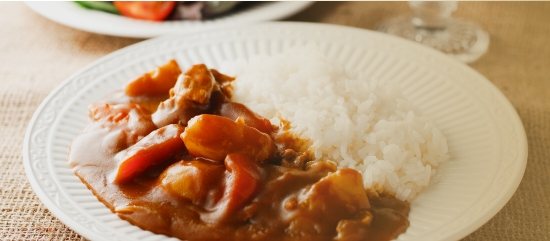
Japanese-style curry is characterized by its mild spiciness and thick texture. It is a flavor
that
can be enjoyed by both children and adults.
Currently, there are over 23,000 Japanese restaurants in the United States alone*, and the
overall Japanese food market is expanding. While not as well-known as sushi or ramen, an
increasing number of restaurants are specializing in Japanese-style curry.
*Source: PoiData.io
(https://www.poidata.io/report/japanese-restaurant/united-states), as of October 2025
As of January 17, 2013, CoCo Ichibanya was recognized by Guinness World Records™ as having the most
curry chain restaurants in the world*. From its beginnings as a small café, it has grown to become
a popular curry restaurant by specializing in curry. Source: J-CAST News(https://www.j-cast.com/2013/01/20161933.html)
The number of Japanese restaurants is on the rise globally. However, the vast majority of these
are specialty restaurants such as sushi and ramen shops. There are still few places for
experiencing authentic Japanese pub culture.
An izakaya (Japanese-style pub) offers significant potential in its ability to provide a
combination of food, drinks, and atmosphere. This business model makes it easier to increase the
average per-customer amount spent on both alcohol and food. Furthermore, it is likely to attract
repeat customers for after-work gatherings or weekend get-togethers.
Donburi is a dish that is representative of Japanese cuisine. Featuring rice as the main
ingredient, it is topped with meat, fish, vegetables, eggs, and other ingredients all served in
a single bowl. In the United States, rice bowl dishes such as teriyaki and pork bowl have
already become mainstream. This has created an environment where Japanese flavors are more
easily embraced.
The versatility of ingredients and the simplification of processes make a donburi franchise
highly reproducible in terms of personnel training, shift design, and quality control. This
makes
it appealing for individuals looking to quickly and easily start their own business.
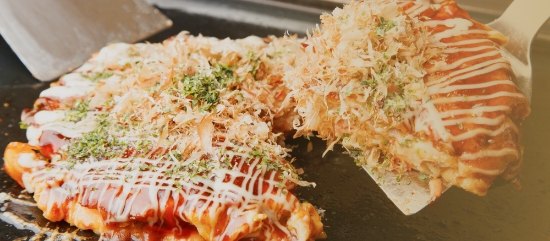
This okonomiyaki (Japanese savory pancakes) genre combines the features of flour-based dishes
that increase the average amount spent per customer, the added value of cooking in front of
customers, and relatively easy cost control. These features make it a food and beverage model
through which it is comparatively easy to build a profitable business.
There is also significant potential for menu expansion. To suit regional preferences and target
audiences, the menu can be customized to offer items such as yakisoba, teppan dishes, lunch
bowls, and take-out options.
As the Japanese food market expands,
success is driven by authentic brands backed by proven know-how.
According to the market research firm Data Bridge Market Research, the Japanese food restaurant
market in North America is valued at approximately $5.11 billion as of 2024. Furthermore, it is
expected to grow to about $6.59 billion by 2032*.
One factor spurring market expansion in the United States is the growing awareness of the health
benefits of Japanese cuisine.
The expansion of the market as a whole has lowered entry barriers in terms of ingredient procurement,
logistics, and brand recognition. This has created favorable conditions for the scaling of
franchises.
*Source: Data Bridge Market
Research(https://www.databridgemarketresearch.com/jp/reports/north-america-japanese-restaurant-market)