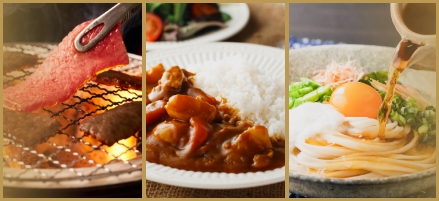
With the growing global popularity of Japanese cuisine, a JETRO survey indicates that as of 2022 there are 23,064 Japanese restaurants in the United States*1, an approximately 3.9-fold increase from 5,980 in 2000*2. When it comes to Japanese cuisine, sushi and ramen are mainstream, but izakaya offers something a little different. It is a format akin to a Japanese-style pub or tapas bar, where guests enjoy small plates with drinks and conversation with friends.
This article explains the izakaya format from the perspective of prospective franchisees, looking beyond taste to three key areas: profitability, competitiveness, and operations.
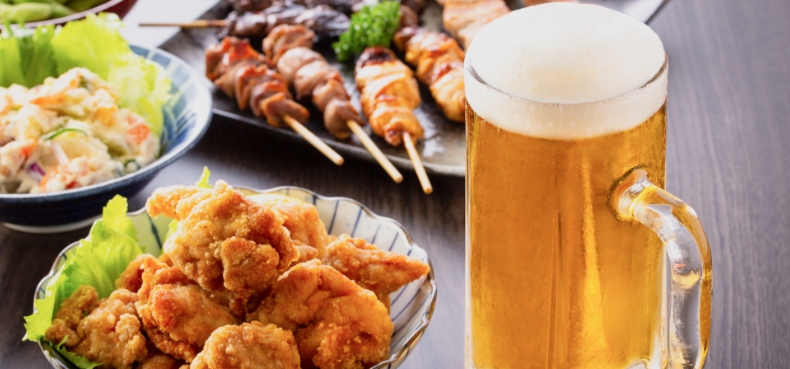
The number of Japanese restaurants is on the rise globally. However, the vast majority of these are specialty restaurants such as sushi and ramen shops. There are still relatively few places where people can experience Japan’s drinking culture as part of dining.
An izakaya offers significant potential in its ability to provide a combination of food, drinks, and atmosphere. This business model makes it easier to increase average spend per customer through both food and alcohol, while also encouraging repeat visits for after-work gatherings and weekend get-togethers.
Typical restaurants are said to have food costs around 30 to 40%*, and it is not uncommon for net profit margins to be in the single digits. By contrast, alcoholic beverages are one of the main revenue sources for izakayas. Drinks such as beer, sake, and highballs generally tend to carry higher gross margins than food items.
The food menu also centers on small plates, such as edamame, karaage, yakitori, and agedashi tofu, that are relatively simple to prep yet make customers want to order “just one more.” The format is set up so that customers may come in for “just one drink,” but often end up ordering two or three drinks and several small plates, raising average check.
Izakayas also tend to attract groups, which helps increase sales per table. Compared to ramen or rice bowls, guests tend to stay longer, but the format can more easily build repeat customers—for example, people who stop by once a week after work.
In the U.S. market, Japanese restaurants overall are increasing, but locations that brand themselves as “Japanese-style pubs (izakaya)” remain a minority, leaving significant room for differentiation. According to a JETRO survey, as of 2022 there are 23,064 Japanese restaurants in the United States*1.
*By contrast, POI Data shows approximately 23,490 locations as of October 2025*2. While the sources differ, the figures suggest the total has remained broadly high and stable over the past three years.
By category, POI Data lists over 22,000 sushi restaurants*3, making sushi a standout high-volume segment among Japanese restaurants. However, restaurants that call themselves izakaya remain at around 500*4, making them still a niche within the broader Japanese restaurant market.
Izakayas are a format that sells experiential value as a package—suggesting sake and shochu, offering a culture of sharing small plates, and providing a lively atmosphere. Unlike some sushi and ramen markets that are prone to price competition, positioning your brand as a place to enjoy Japanese drinking culture makes it easier to differentiate through brand storytelling and space design.
Japanese izakaya franchise headquarters have codified their operating know-how in manuals, covering everything from signature recipes and efficient prep procedures to customer service and drink management. Through comprehensive training, franchisees and staff can learn professional operations even with no prior experience.
Another appeal is that some packages allow you to start with a small-format location. For example, Tsubohachi’s Umaiya Shinpachi brand sets a standard location size of about 15 to 25 tsubo*1 (approximately 540 to 830 sq ft) and proposes a model that keeps interior and equipment costs low.
Some companies, such as Garden Group, clearly outline a consistent franchise process from post-contract site research to employee training*2. These standardized operations and opening-support systems provide strong backing for first-time owners to launch their business smoothly.
By leveraging a franchise system, owners can address the operational challenges unique to izakayas, making this a realistic option even for individuals with limited foodservice experience.
Izakayas can more easily secure profitability through high-margin drinks and small plates, and in a market dominated by sushi and ramen, they can differentiate themselves through the experiential value of “Japanese drinking culture.” In addition, joining a franchise can lower the barriers created by complex operations.
If the goal is to deliver authentic Japanese cuisine and izakaya culture as-is, joining a Japan-based franchise brand and adopting its recipes and operations in full is the shortest route.
If you want to leverage the strengths of Japanese brands while identifying the format that suits you, you should compare the features and terms offered by Japanese food franchisors and choose a partner you can feel confident about.
This media platform also features three recommended Japanese franchise brands, carefully selected based on regional suitability. Please be sure to review them as well.
Even within Japanese food, the most receptive customer segments vary by genre. This section introduces recommended Japanese food genres based on the characteristics of the prospective area, along with Japanese franchise brands that already operate locations in the United States. The focus is on the food that can be offered by joining each franchise brand.
Advertiser Disclosure:
We receive compensation from some of the companies listed below.This compensation may affect which companies are included and the order in which they appear.
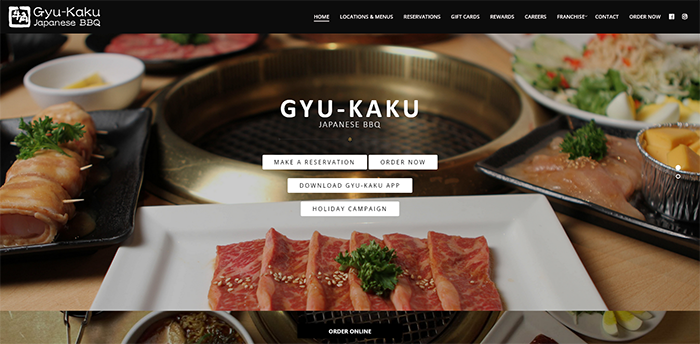
Gyu-Kaku delivers authenticity through certified Japanese A5 Wagyu. By also featuring USDA Prime beef, they offer steakhouse-quality dining at accessible prices.
From import to processing, Japanese staff strictly manage quality at every step, delivering the same authentic flavor found in premium yakiniku restaurants in Japan.
| Franchise fee | $50,000 |
|---|---|
| Initial investment | Approx. $1,215,444 to $2,606,540 |
| Royalty | 5% on annual sales up to approx. $1,500,000 4.5% on annual sales from approx. $1,500,000 to $2,000,000 4% on annual sales over approx. $2,000,000 |
| Number of restaurants | 825 worldwide (including 63 in the United States and 580 in Asia) |
| TripAdvisor rating | 4.3 out of 5.0 (442 reviews)*2 |
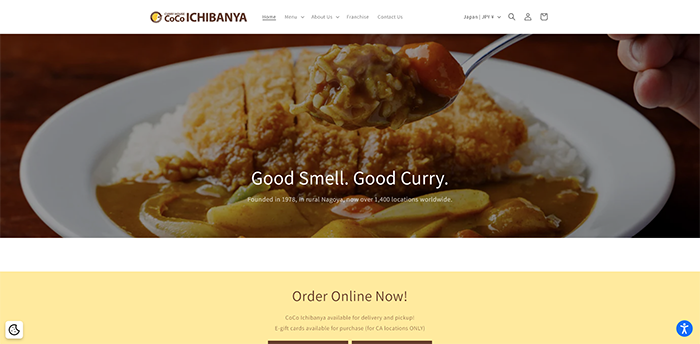
A wide range of toppings, from chicken katsu to omelets, ensures a fresh experience every visit, driving strong customer loyalty.
In addition to toppings, customers can adjust rice portions and spice levels, making the menu enjoyable for those who prefer milder flavors as well as those who want larger portions.
| Initial franchise fee | $40,000 |
|---|---|
| Initial investment | Not listed |
| Royalty | Not listed |
| Number of restaurants | 1,480 worldwide (including 11 in the United States and 1,467 in Asia) |
| TripAdvisor rating | 4.3 out of 5.0 (41 reviews)*3 |
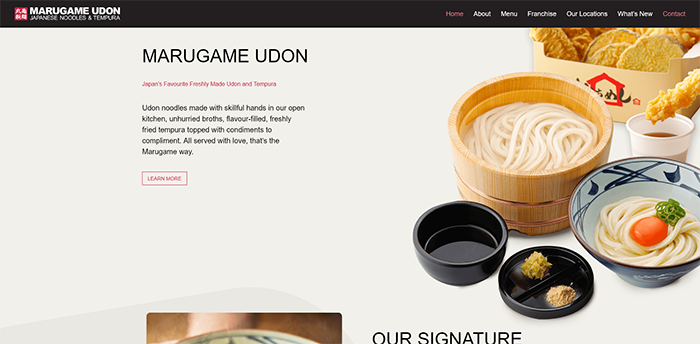
As a popular chain with 861 locations in Japan*1, franchisees are able to consistently serve udon noodles with a firm, chewy texture, supported by the headquarters after opening.
The noodle-making, boiling, and cooling processes are demonstrated in an open kitchen, allowing customers to enjoy a freshly made, live dining experience.
| Franchise fee | $40,000 to $64,000 |
|---|---|
| Initial investment | $1,126,500 to $1,980,000 |
| Royalty | 5% of sales |
| Number of restaurants | 1,188 worldwide (including 23 in the United States and 1,155 in Asia) |
| TripAdvisor rating | 4.5 out of 5.0 (108 reviews)*4 |
*1 Source: Marugame Udon official website(https://jp.marugame.com/shop/), as of a December 2025 survey
*2 TripAdvisor: New York City location, as of October 28, 2025(https://www.tripadvisor.jp/Restaurant_Review-g60763-d3175593-Reviews-Gyu_Kaku_Japanese_BBQ-New_York_City_New_York.html)
*3 TripAdvisor: Irvine location, as of October 28, 2025(https://www.tripadvisor.jp/Restaurant_Review-g32530-d9750729-Reviews-Coco_Ichibanya-Irvine_California.html)
*4 TripAdvisor: Los Angeles location, as of October 28, 2025(https://www.tripadvisor.jp/Restaurant_Review-g32655-d4019757-Reviews-Marugame_Monzo-Los_Angeles_California.html)
* TripAdvisor ratings are based on the highest-rated U.S. location.
*The number of restaurants is based on the following references. As of a December 2025 survey
Gyu-Kaku official website(https://www.gyukaku.ne.jp/world.php)
CoCo Ichibanya official website(https://www.ichibanya.co.jp/comp/ir/finance/highlight/graph01.html)
Marugame Udon official website(https://jp.marugame.com/shop/)