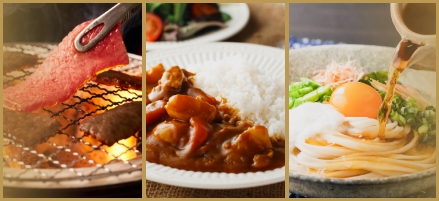
Shabu-shabu is a classic Japanese hot pot dish in which thinly sliced meat and vegetables are dipped into a hot broth before eating. In addition to beef, pork, and lamb, seafood and vegetables are also used, attracting attention as a health-conscious, experience-oriented Japanese dining style.
This article summarizes the strengths of shabu-shabu franchising in the United States from a managerial perspective. It also explains advantages that distinguish tonkatsu franchises from other Japanese food franchise models.

Shabu-shabu (Japanese hot pot) is recognized in the American market as a healthy dining option, as thinly sliced meat is cooked in broth rather than oil. The ability to enjoy a wide variety of vegetables, along with the experiential appeal of tabletop cooking, is another factor contributing to its popularity in overseas markets.
Unlike yakiniku and ramen, because much of the cooking process is carried out by customers, shabu-shabu is also attracting attention as a business model that can reduce kitchen labor costs.
Let’s examine the advantages of a shabu-shabu franchise from three perspectives: profitability, competitiveness, and operations.
For reference, the first Shabuyo restaurant in the United States set its basic all-you-can-eat course at $36.99 per person*1. At Shabu-Tatsu in New York, where diners can choose premium meats à la carte, Wagyu Rib Eye Beef is offered at $65.00*2.
Based on this information, shabu-shabu can be regarded as a category with a relatively high average check among Japanese food businesses. Although shabu-shabu is often discussed as a single concept, it encompasses a wide range of ingredients such as beef, pork, lamb, and crab. This flexibility makes it easier to adjust menu offerings in response to fluctuations in ingredient prices, contributing to more stable revenue.
Families, couples, coworkers, and groups of friends typically dine and pay together, which tends to increase revenue per party.
According to POI Data Platform, there are 280 shabu-shabu restaurants in the United States*3. Compared to sushi restaurants within the same Japanese food category (22,611 locations*4) and Japanese-style steakhouses (1,428 locations*5), competition in the shabu-shabu market remains relatively limited (all data as of October 2025).
Because locations are concentrated in California, expansion into other states offers ample opportunity to establish a brand position as the region’s first shabu-shabu specialty restaurant.
Since customers cook meat and vegetables at their table, the restaurant’s cooking process is relatively simple.
The tasks performed by the kitchen staff include preparing the dashi (Japanese soup stock), slicing meat, plating dishes, and controlling temperatures, and advanced culinary skills are not required. This business model reduces the burden of staff training and facilitates the standardization of restaurant operations.
However, safety and hygiene management during service, including the safe operation of tabletop heating equipment and food sanitation controls, is essential. By joining a franchise, you can efficiently acquire operational expertise through the headquarters’ manuals and training programs.
Shabu-shabu, which is typically enjoyed in groups, lends itself well to higher sales efficiency. The number of locations is still limited, making it relatively easy to establish a first-mover advantage, particularly in states other than those on the West Coast.
While there may be competition with similar hot pot formats (e.g., Chinese hot pot, Korean hot pot), differentiation can be achieved by joining a franchise originating in Japan and leveraging authentic dashi, sauces, and ingredient supply networks.
This media platform also features three recommended Japanese franchise brands, carefully selected based on regional suitability. Please be sure to review them as well.
Even within Japanese food, the most receptive customer segments vary by genre. This section introduces recommended Japanese food genres based on the characteristics of the prospective area, along with Japanese franchise brands that already operate locations in the United States. The focus is on the food that can be offered by joining each franchise brand.
Advertiser Disclosure:
We receive compensation from some of the companies listed below.This compensation may affect which companies are included and the order in which they appear.
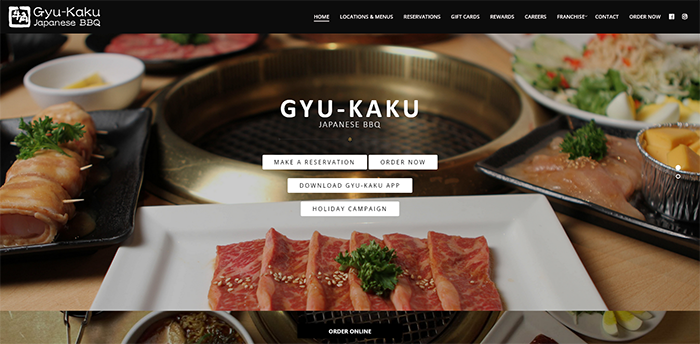
Gyu-Kaku delivers authenticity through certified Japanese A5 Wagyu. By also featuring USDA Prime beef, they offer steakhouse-quality dining at accessible prices.
From import to processing, Japanese staff strictly manage quality at every step, delivering the same authentic flavor found in premium yakiniku restaurants in Japan.
| Franchise fee | $50,000 |
|---|---|
| Initial investment | Approx. $1,215,444 to $2,606,540 |
| Royalty | 5% on annual sales up to approx. $1,500,000 4.5% on annual sales from approx. $1,500,000 to $2,000,000 4% on annual sales over approx. $2,000,000 |
| Number of restaurants | 825 worldwide (including 63 in the United States and 580 in Asia) |
| TripAdvisor rating | 4.3 out of 5.0 (442 reviews)*2 |
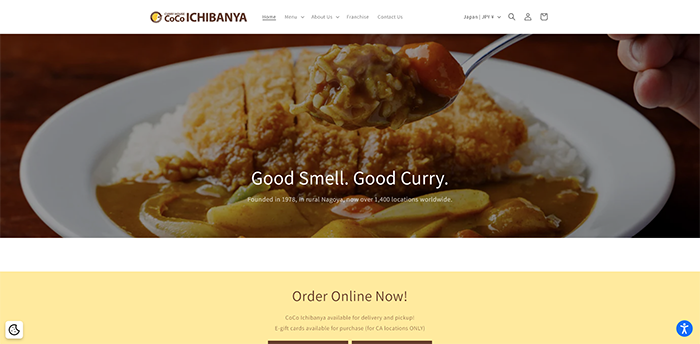
A wide range of toppings, from chicken katsu to omelets, ensures a fresh experience every visit, driving strong customer loyalty.
In addition to toppings, customers can adjust rice portions and spice levels, making the menu enjoyable for those who prefer milder flavors as well as those who want larger portions.
| Initial franchise fee | $40,000 |
|---|---|
| Initial investment | Not listed |
| Royalty | Not listed |
| Number of restaurants | 1,480 worldwide (including 11 in the United States and 1,467 in Asia) |
| TripAdvisor rating | 4.3 out of 5.0 (41 reviews)*3 |
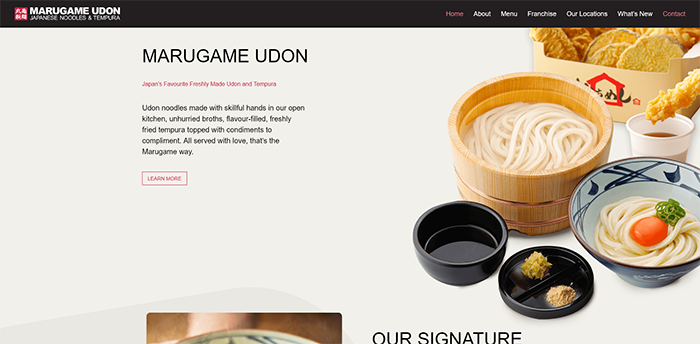
As a popular chain with 861 locations in Japan*1, franchisees are able to consistently serve udon noodles with a firm, chewy texture, supported by the headquarters after opening.
The noodle-making, boiling, and cooling processes are demonstrated in an open kitchen, allowing customers to enjoy a freshly made, live dining experience.
| Franchise fee | $40,000 to $64,000 |
|---|---|
| Initial investment | $1,126,500 to $1,980,000 |
| Royalty | 5% of sales |
| Number of restaurants | 1,188 worldwide (including 23 in the United States and 1,155 in Asia) |
| TripAdvisor rating | 4.5 out of 5.0 (108 reviews)*4 |
*1 Source: Marugame Udon official website(https://jp.marugame.com/shop/), as of a December 2025 survey
*2 TripAdvisor: New York City location, as of October 28, 2025(https://www.tripadvisor.jp/Restaurant_Review-g60763-d3175593-Reviews-Gyu_Kaku_Japanese_BBQ-New_York_City_New_York.html)
*3 TripAdvisor: Irvine location, as of October 28, 2025(https://www.tripadvisor.jp/Restaurant_Review-g32530-d9750729-Reviews-Coco_Ichibanya-Irvine_California.html)
*4 TripAdvisor: Los Angeles location, as of October 28, 2025(https://www.tripadvisor.jp/Restaurant_Review-g32655-d4019757-Reviews-Marugame_Monzo-Los_Angeles_California.html)
* TripAdvisor ratings are based on the highest-rated U.S. location.
*The number of restaurants is based on the following references. As of a December 2025 survey
Gyu-Kaku official website(https://www.gyukaku.ne.jp/world.php)
CoCo Ichibanya official website(https://www.ichibanya.co.jp/comp/ir/finance/highlight/graph01.html)
Marugame Udon official website(https://jp.marugame.com/shop/)