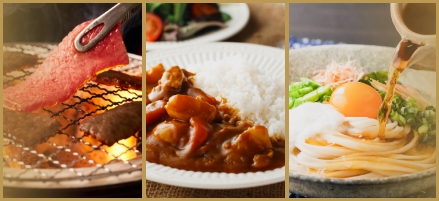
Japanese restaurant franchises allow entrepreneurs to enter the market using an established brand and operating system while responding to existing local demand for Japanese cuisine. However, investment requirements, operating structures, and potential revenue opportunities vary considerably by restaurant concept.
Below are three franchises for investors and business owners considering a Japanese restaurant in Texas. Each offers a different fit depending on the operator’s growth strategy, available resources, and preferred operating model.
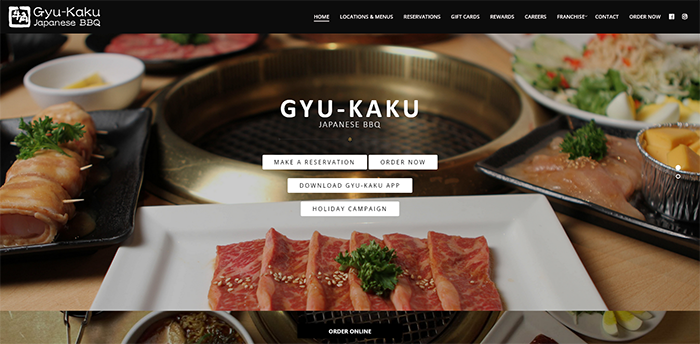
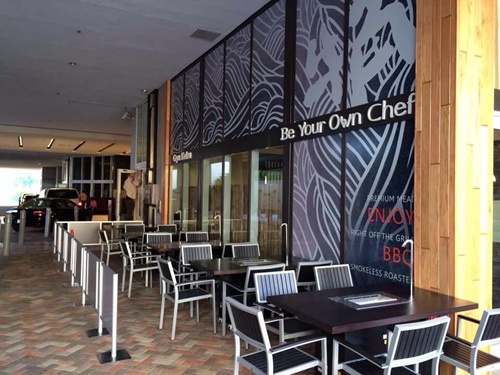
Gyu-Kaku offers an interactive Japanese BBQ experience in which guests cook meat at tabletop grills. This format can turn a meal into a social dining event and is well suited to families and groups.
In addition to meat-based dishes, the concept provides opportunities for guests to order side dishes and beverages. It may appeal to operators seeking to increase average transaction values through group dining occasions.
Ingredients are prepared in advance, while guests cook the meat at their tables. This system can reduce reliance on highly specialized chefs, support more consistent service, and help operators differentiate the restaurant through its experiential appeal.
| Franchise fee | $50,000 |
|---|---|
| Initial investment | Approximately $1,215,444–$2,606,540 |
| Royalty |
5% on annual sales up to $1.5 million 4.5% on annual sales over $1.5 million and up to $2 million 4% on annual sales over $2 million |
| Texas locations | 9 |
JINYA has developed a defined brand experience encompassing its restaurant environment, menu, and service. This can reduce some of the burden associated with building brand awareness and an operating model from the ground up.
With ramen at the center of its menu, the concept is positioned to serve both lunch and dinner demand, creating multiple opportunities to attract customers throughout the day.
Its franchise model is intended for multi-unit development. It may therefore be a suitable option for investors and business owners with sufficient capital, management resources, and an operating team capable of supporting expansion.
| Initial franchise fee | $50,000 |
|---|---|
| Initial investment | $1,395,500–$3,040,000 |
| Royalty | 5% |
| Texas locations | 16 |
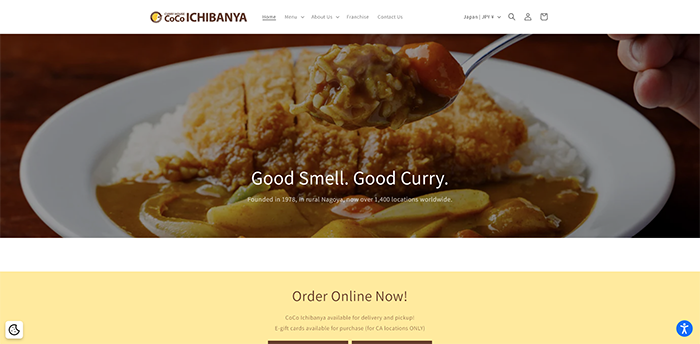
CoCo Ichibanya is built around a straightforward Japanese curry concept. Its relatively standardized preparation and service procedures may make the operating model easier for locally hired staff to learn.
Customers can customize their meals by selecting the spice level, rice portion, and toppings. This allows the restaurant to accommodate a broad range of preferences while maintaining a standardized core menu.
The concept is well suited to lunch, takeout, and repeat visits. It may appeal to operators seeking to build a restaurant around everyday dining occasions rather than relying primarily on higher-priced special-event visits.
| Initial franchise fee | $40,000 |
|---|---|
| Initial investment | $907,500–$1,405,000 |
| Royalty | 3% |
| Texas locations | 1 |
The franchise information presented above was compiled from the sources listed below. The information reflects research conducted as of July 16, 2026. Franchise terms, fees, investment requirements, and location counts are subject to change. Prospective franchisees should review the latest Franchise Disclosure Document (FDD) and confirm all details directly with each franchisor.
Gyu-Kaku Sources: Gyu-Kaku Official Website / Gyu-Kaku Franchise Brochure
https://www.gyu-kaku.com/franchise/
https://www.gyu-kaku.com/locations-menus/
https://www.gyu-kaku.com/wp-content/uploads/2023/08/brochure_franchise2308_web.pdf
JINYA Ramen BarSource: JINYA Ramen Bar Official Website
https://www.jinyaramenbar.com/franchise/
https://www.jinyaramenbar.com/locations/
CoCo IchibanyaSources: CoCo Ichibanya Official Website / ICHIBANYA INTERNATIONAL USA, INC. Franchise Disclosure Document
https://ichibanyausa.com/pages/franchise
https://ichibanyausa.com/pages/about-us
https://www.nasaaefd.org/Franchise/Actions/DownloadFile.ashx?DocId=230841&isRegistered=true

Gyu-Kaku is a Japanese BBQ franchise where guests cook meat themselves on tabletop grills. Its interactive format can turn a meal into a memorable dining experience, making the concept well suited to families and groups. It may appeal to operators seeking to increase average transaction values through group visits and additional orders of side dishes and beverages.
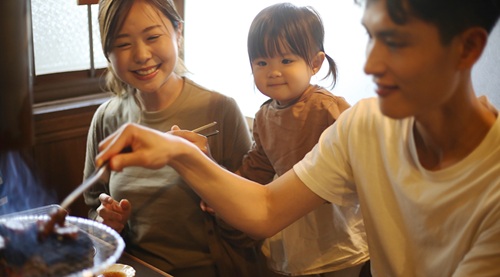
Gyu-Kaku is a restaurant brand that has introduced Japanese yakiniku to the U.S. market as “Japanese BBQ.” Because guests grill the meat themselves, the restaurant offers more than food alone—it creates a social dining experience built around cooking, conversation, and shared enjoyment.
Texas consumers are already familiar with meat-focused dining and BBQ. An interactive yakiniku concept such as Gyu-Kaku may therefore be an attractive option for operators seeking to differentiate their business from conventional Japanese restaurants.
One of Gyu-Kaku’s defining features is its interactive format, in which guests cook meat on tabletop grills. Customers can enjoy not only the meal but also the cooking process, making the concept suitable for dining occasions involving families, friends, and coworkers.
The ability to turn a meal into a shared event while differentiating the restaurant from more conventional Japanese dining concepts may be particularly appealing to operators considering a Japanese food franchise in Texas.
Yakiniku is naturally suited to parties of multiple guests. In addition to meat-based dishes, customers may order side dishes and beverages, creating opportunities for operators seeking to increase average transaction values through group dining.
Because ordering often takes place at the table level rather than as a single-item purchase, Gyu-Kaku may be worth considering for operators who place a strong emphasis on average guest spending.
Gyu-Kaku uses a system in which ingredients are prepared in advance and guests cook the meat themselves. This format can reduce reliance on specialized chefs and help operators maintain more consistent food and service standards across locations.
Its preparation processes can be standardized relatively easily, helping operators balance experiential appeal with operational efficiency. With support from the franchisor, the concept may also be approachable for business owners who have concerns about their level of restaurant experience.
Gyu-Kaku’s franchise fee is $50,000, while the estimated initial investment ranges from approximately $1,215,444 to $2,606,540. The royalty follows a tiered structure based on annual sales: 5% on annual sales up to $1.5 million, 4.5% on annual sales over $1.5 million and up to $2 million, and 4% on annual sales over $2 million.
As of the research conducted on July 16, 2026, nine Gyu-Kaku locations were identified in Texas.
Prospective franchisees should review the latest FDD and contact the franchisor directly to confirm eligibility requirements, required capital, available territories, and contractual terms. Because the initial investment can vary depending on real estate, construction, labor, and working-capital requirements, prospective operators should carefully evaluate both the total investment and ongoing operating costs.
| Franchise fee | $50,000 |
|---|---|
| Initial investment | Approximately $1,215,444–$2,606,540 |
| Royalty |
Tiered according to annual sales 5% up to $1.5 million 4.5% over $1.5 million and up to $2 million 4% over $2 million |
| Texas locations | 9 |
| Restaurant concept | Japanese BBQ / Yakiniku restaurant |
| Operational characteristics | Ingredients are prepared in advance, and guests cook the meat themselves. This system can reduce reliance on specialized chefs and help maintain more consistent service standards. |
| Points to confirm before applying | Latest FDD, available territories, contractual terms, capital requirements, and franchisor support before and after opening |
| Address | 20000 Mariner Ave., Ste. 500, Torrance, California 90503 |
|---|---|
| Official website | https://www.gyu-kaku.com/franchise/ |

JINYA Ramen Bar is a Japanese restaurant franchise centered on ramen. The brand has established a defined experience encompassing its restaurant environment and service, allowing prospective operators to consider opening a location without having to create brand recognition and a business model entirely from the ground up.
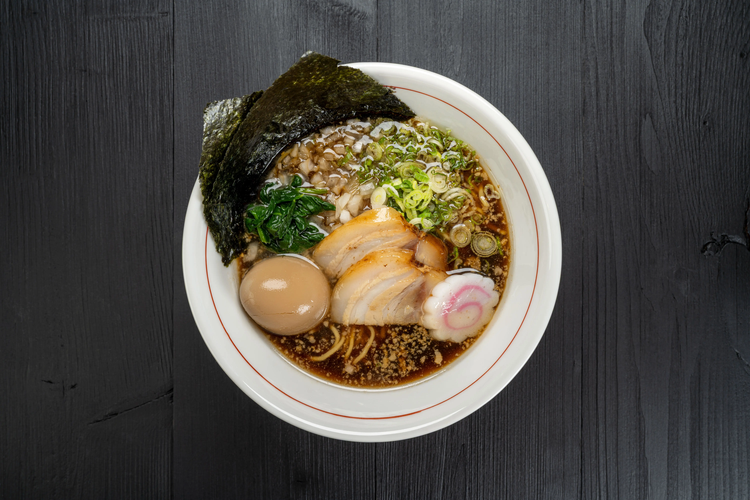
JINYA Ramen Bar is a ramen brand offering a menu that combines ramen with rice bowls, appetizers, beverages, and other items.
In Texas, the brand operates in multiple markets, including areas around Dallas, Houston, and San Antonio. Its existing presence in the state allows prospective franchisees to study current locations and trade areas when developing a more detailed market-entry plan.
JINYA uses a franchise model designed around multi-unit development. It may therefore be well suited to investors and business owners seeking to use their available capital and existing management teams to expand a portfolio of restaurants.
JINYA Ramen Bar emphasizes a comprehensive brand experience that includes not only its food but also its restaurant environment and service.
Because the brand identity encompasses restaurant design and customer service as well as the menu, franchisees may face less of a burden when developing the overall concept for a new location.
Another strength is its menu structure, which combines ramen with rice bowls, appetizers, beverages, and other complementary offerings.
The concept can accommodate lunch and dinner occasions as well as visits by multiple guests, making it potentially suitable for operators seeking to serve recurring, everyday dining demand.
JINYA Ramen Bar uses a franchise model based on multi-unit development.
It is therefore more likely to suit investors and business owners with the capital resources and established management teams needed to develop multiple locations as a single business operation, rather than individuals seeking to operate only one restaurant.
JINYA Ramen Bar’s franchise fee is $50,000, and its estimated initial investment ranges from $1,395,500 to $3,040,000. The royalty is listed as 5%.
As of the research conducted on July 16, 2026, 16 JINYA Ramen Bar locations were identified in Texas.
Because the franchise program is structured as a multi-unit model requiring the development of at least three locations, prospective franchisees should review more than the latest FDD and the franchisor’s eligibility requirements. They should also carefully evaluate their development plan, staffing strategy, and ability to manage multiple restaurants.
| Franchise fee | $50,000 |
|---|---|
| Initial investment | $1,395,500–$3,040,000 |
| Royalty | 5% |
| Texas locations | 16 |
| Restaurant concept | Japanese Ramen / Ramen restaurant |
| Points to confirm before applying | Latest FDD, available territories, contractual terms, required capital, and the management structure needed to operate multiple locations |
| Address | 21045 Erwin Street, Suite 1A, Woodland Hills, CA 91367 |
|---|---|
| Official website | https://www.jinyaramenbar.com/franchise/ |

CoCo Ichibanya is a franchise brand centered on Japanese-style curry. Customers can customize their meals by selecting the spice level, rice portion, and toppings, allowing the concept to accommodate a broad range of preferences. It may appeal to operators seeking to build a restaurant around lunch, takeout, and repeat visits.
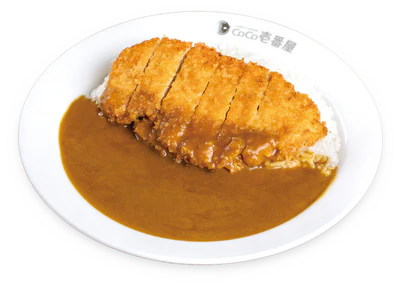
CoCo Ichibanya is a restaurant brand specializing in Japanese-style curry. In Texas, the brand operates a location in Frisco.
Although its current presence in the state remains limited, CoCo Ichibanya may be worth considering for operators seeking to differentiate their business from established Japanese restaurant categories and introduce Japanese curry as an everyday dining option.
The U.S. franchise program indicates that applicants are expected to have restaurant ownership or management experience and that the franchise owner must be personally involved in full-time daily operations. The brand may therefore be better suited to owner-operators who want to apply their restaurant experience directly to the business than to passive investors planning to delegate all operating responsibilities.
CoCo Ichibanya is built around a relatively straightforward Japanese curry concept. Compared with restaurant formats that rely heavily on specialized sushi or ramen preparation skills, its cooking and service procedures may be easier for locally hired staff to learn.
Restaurant operators must maintain consistent food and service standards while managing recruitment and training requirements. A concept such as CoCo Ichibanya, in which the menu and preparation processes can be standardized, may be an attractive option for business owners who place a high priority on day-to-day operational efficiency.
Customers can customize their meals by selecting the spice level, rice portion, and toppings. This flexibility allows a curry-focused concept to accommodate a broad range of customer preferences.
Although customers have multiple customization options, the core menu remains centered on Japanese-style curry. This may allow operators to offer variety without making restaurant operations unnecessarily complex. The concept can also be adapted to local preferences while aiming to become a practical everyday dining choice.
Curry is well suited to lunch and other routine dining occasions. Rather than depending primarily on premium-priced special-event dining, the concept can be positioned as an accessible everyday meal, making it compatible with a business strategy focused on repeat visits.
Japanese curry is also suitable for takeout. The format can serve both dine-in and off-premise demand, making it potentially attractive to operators seeking to capture everyday dining and takeout occasions.
CoCo Ichibanya’s franchise fee is $40,000. According to the FDD reviewed, the estimated initial investment ranges from $907,500 to $1,405,000. The royalty is 3% of Gross Revenues and is payable monthly.
As of the research conducted on July 16, 2026, one CoCo Ichibanya location was identified in Texas.
Published franchise requirements indicate that applicants must have the legal right to conduct business in the United States, a financial history without bankruptcy, restaurant ownership or management experience, sufficient English-language proficiency, and the ability to participate personally in full-time daily operations.
Prospective franchisees should review the latest FDD and contact the franchisor directly. They should also carefully assess how extensively they can participate in the restaurant’s day-to-day management.
| Franchise fee | $40,000 |
|---|---|
| Initial investment | $907,500–$1,405,000 |
| Royalty | 3% of Gross Revenues |
| Texas locations | 1 |
| Restaurant concept | Japanese Curry / Japanese-style curry restaurant |
| Operational characteristics | A standardized Japanese-style curry concept with customizable spice levels, rice portions, and toppings. The franchise owner is expected to participate personally in full-time daily operations. |
| Points to confirm before applying | Latest FDD, available territories, contractual terms, required capital, and the franchise owner’s required level of involvement in daily operations |
| Address | 3625 Del Amo Boulevard, Ste. 170, Torrance, CA 90503 |
|---|---|
| Official website | https://ichibanyausa.com/pages/franchise/ |
Discover Texas’s market potential using National Restaurant Association data.
The dining industry serves as a vital cornerstone of Texas's economy. The National Restaurant Association’s 2026 report projects $140.4 billion in sales across 58,426 locations, supporting 1.49 million jobs. This massive financial scale creates extraordinary growth opportunities for entrepreneurs entering Texas’s flourishing restaurant market today.
Texas offers unbeatable momentum for expanding restaurant businesses. According to U.S. Census Bureau data, Texas experienced an impressive 8% population surge between 2020 and 2025. This continuous population growth creates a booming market with steadily increasing demand for new Japanese dining franchise locations statewide.
QuickFacts Texas
(https://www.census.gov/quickfacts/fact/table/TX/PST045225)
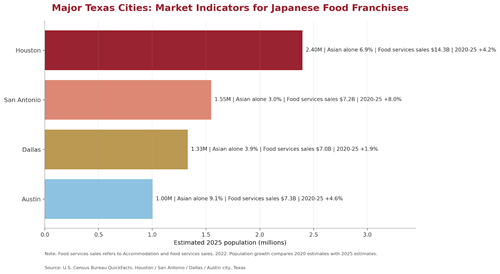
Texas is one of the largest and fastest-growing markets in the United States. According to the U.S. Census Bureau, the state’s population reached 31,709,821 as of July 1, 2025.1 Texas also added approximately 390,000 residents between 2024 and 2025,2 expanding the potential customer base for restaurants and other foodservice businesses.
Texas is also becoming increasingly diverse. According to the Texas Comptroller, the state’s Asian population grew by 55% between 2012 and 2022.3 Major metropolitan areas such as Dallas, Houston, Austin, and San Antonio have communities that are receptive to a wide range of cuisines, creating a favorable environment for business owners considering a Japanese restaurant franchise.
However, prospective franchisees should not assume that a concept will succeed simply because it serves Japanese food. It is important to evaluate local demand, competition, and whether the franchise’s operating model is compatible with the owner’s resources and experience. When considering a location, compare not only the growth potential of Texas as a whole but also the target area’s customer demographics, competing restaurants, operating requirements, and total investment needs.
The U.S. Japanese dining sector is surging. A JETRO survey reveals Japanese restaurants expanded 1.6x over twelve years. Beyond traditional sushi, offerings have diversified into ramen, yakiniku, udon, and curry, creating dynamic nationwide opportunities for prospective franchise owners (JETRO report).
The number of Japanese restaurants across the U.S. has increased 1.6-fold over the past 12 years to 23,000, according to a JETRO trend survey
(https://www.jetro.go.jp/biznews/2023/03/e59c0562f8443f3a.html)
Trends in Japanese Food and Sake in the U.S., February 2025, Tippsy, Inc.
(https://www.jetro.go.jp/ext_images/agriportal/online/2025/448712859f48d062/shiryo.pdf)
Japanese dining in Texas extends far beyond sushi into ramen, curry, izakaya, and yakiniku (JETRO report). Embracing Texas's diverse population, major franchises thrive here—as of July 9, 2026, Sarku Japan operates 11 locations and Teriyaki Madness has 7 statewide, proving strong market demand (JETRO news).
The number of Japanese restaurants across the U.S. has increased 1.6-fold over the past 12 years to 23,000, according to a JETRO trend survey
(https://www.jetro.go.jp/biznews/2023/03/e59c0562f8443f3a.html)
Trends in Japanese Food and Sake in the U.S., February 2025, Tippsy, Inc.
(https://www.jetro.go.jp/ext_images/agriportal/online/2025/448712859f48d062/shiryo.pdf)
Opening a Japanese restaurant franchise in Texas involves more than selecting a brand. Prospective franchisees must evaluate potential markets, develop a financing plan, review the Franchise Disclosure Document (FDD), select a suitable property, and prepare the restaurant for opening. The following steps outline the key matters to consider during the franchise evaluation and development process.
Begin by deciding which city and trade area you want to enter. The most suitable franchise will depend on whether you plan to target a high-density urban market or families in a suburban community, as well as whether you intend to focus on lunch, dinner, takeout, or a combination of these occasions.
You should also define the type of business model you want to develop. Options may include a premium-priced experiential concept, an accessible everyday dining format, or a franchise designed for multi-unit expansion.
Once you have identified your preferred market and restaurant format, contact the candidate brands through their official franchise websites and request further information.
Do not evaluate a franchise solely on the basis of its franchise fee and estimated initial investment. Reviewing the following items will make it easier to compare potential opportunities:
The FDD provided by the franchisor contains information that can materially affect a prospective franchisee’s decision. This may include fees, contractual terms, the franchisor’s litigation history, existing franchise locations, training programs, and available support.
Review the document carefully before entering into an agreement. When necessary, consult an attorney and an accountant to assess the contractual obligations, financial assumptions, and whether the proposed business plan is realistic for your circumstances.
After reviewing the FDD, begin developing a detailed financing plan and evaluating potential properties. The initial investment may include more than the franchise fee. Other expenses can include property acquisition or lease costs, construction and interior improvements, kitchen equipment, labor, and working capital required before and after opening.
Costs can vary significantly by city and location within Texas. Prospective operators should obtain estimates based on the actual market in which they intend to open and assess the total capital required to launch and support the restaurant.
After signing the franchise agreement, the operator will generally proceed with recruitment, employee training, purchasing, marketing, and other opening preparations while receiving training and restaurant-development support from the franchisor.
Following the opening, the operator must work to establish stable restaurant operations through sales management, employee development, quality control, and marketing strategies tailored to the local community.
When opening a Japanese restaurant franchise in Texas, evaluate more than the brand’s name recognition. The concept should also be compatible with the target market, available capital, management resources, and preferred level of owner involvement. Compare multiple brands before selecting the franchise that best fits your business capabilities and long-term growth strategy.
Gyu-Kaku is a world-renowned Japanese BBQ brand offering interactive dining where guests grill premium meats like Harami Skirt Steak at built-in table roasters. This high-margin, experiential concept drives social engagement and strong customer loyalty, while standardized kitchen procedures make daily operations streamlined for franchisees.
" I would definitely recommend this restaurant to family and friends. The atmosphere was good and I received EXCELLENT service from Kiah. Keep up the great work. "
" Woah It was SO FUN. We came to town for passports and stumbled upon this 3 blocks away. Everyone was so friendly and helpful "
| Item | Cost |
|---|---|
| Franchise fee | $50,000 |
| Initial investment | $1,215,444 – $2,606,540 |
| Royalty | 4.0% – 5.0% |
| Item | Details |
|---|---|
| Company Name | Reins International U.S.A. Co., Ltd. |
| Total Number of Restaurants | 825 locations worldwide |
| Address | 20000 Mariner Ave, Suite 500, Torrance, CA 90503, USA |
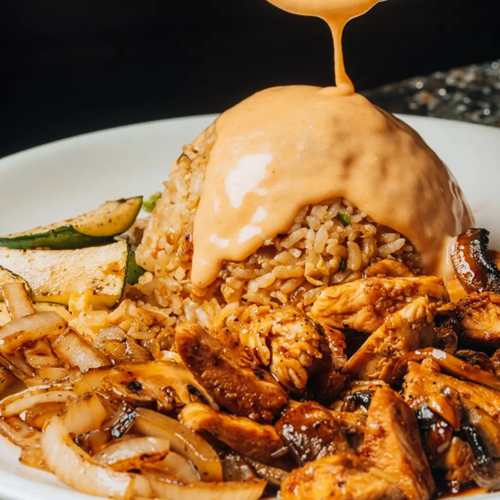
Benihana is an iconic pioneer of teppanyaki dining, delivering entertaining theatrical chefs, hibachi grills, and premium Japanese steakhouse cuisine. Operating as a premier experiential full-service destination, it commands high average guest checks and strong customer loyalty, making it a lucrative flagship concept in high-traffic commercial and suburban centers across Texas.
"Our chef Kendall was energetic and very accommodating! Our waiter Bre was helpful and kind! Best duo we want to dine with them again."
"Went for dinner with family to celebrate a birthday for our 7 year old. The cooker presentation was good, nothing exceptional. The food was good. We all got the 5 course steak with chicken fried rice. It was a fun family experience. The cooker at the table behind us appeared to have more personality and showmanship."
| Item | Cost |
|---|---|
| Franchise fee | $40,000 – $50,000 |
| Initial investment | $2,200,000 – $3,000,000 |
| Royalty | 5.0% |
| Item | Details |
|---|---|
| Company Name | Benihana National Corp. |
| Total Number of Restaurants | 70 |
| Address | 21500 Biscayne Blvd., Suite 900, Aventura, FL 33180, USA |
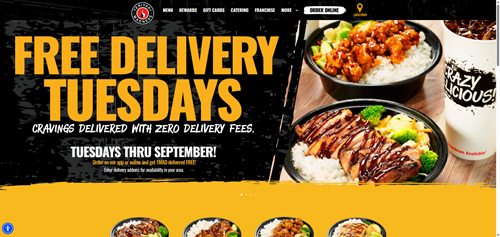
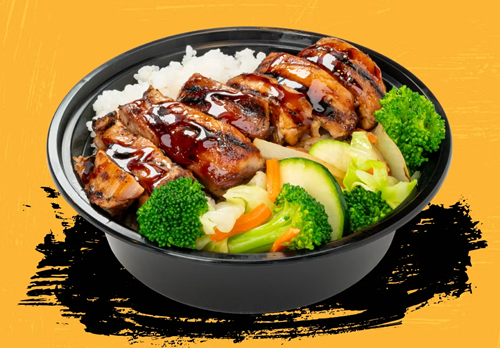
Teriyaki Madness is a fast-growing, fast-casual franchise offering healthy, made-to-order Asian bowls packed with high-protein meats and fresh veggies. Its streamlined operation model eliminates complex kitchen equipment, keeping build-out and labor costs manageable while offering strong revenue potential through heavy takeout, delivery, and catering sales across major markets like Texas.
" A friend found this place to stop and eat while on our way to Gainesville. We like Asian food, but you never know about "fast food" choices. Until I looked it up to add to TripAdvisor, I wasn't aware that this is apparently a national chain. We were both pleasantly surprised. There are a lot of options, and the proteins were decent quality, the carbs were cooked properly and the vegetables were fresh. I had the Katsu chicken bowl with noodles, and my friend had the Teriyaki steak bowl with fried rice. We each had an egg roll and a drink as well. There was more than enough food. The seating was limited but a lot of the business appeared to be takeout and delivery. I'd definitely return if it was closer to home. Maybe someone will open one in the Arlington area!"
" We discovered this amazing teriyaki fast food grilled up perfect. We used to visit japan and the east frequently and this place serves up great chicken teriyaki bowls. Even wok grilled with noodles and or veggies. Perfect teriyaki sauce, also a spicy sriracha sauce. Very good friend rice with little bits of carrots and peas. It’s fast and a small dining area adjacent to Walmart and Sam’s club. "
| Item | Cost |
|---|---|
| Franchise fee | $45,000 |
| Initial investment | $350,500 – $976,860 |
| Royalty | 6.0% |
| Item | Details |
|---|---|
| Company Name | MH Franchise Company, Inc. |
| Total Number of Restaurants | Approx. 200+ locations |
| Address | 950 S. Cherry St., Suite 850, Denver, CO 80246, USA |
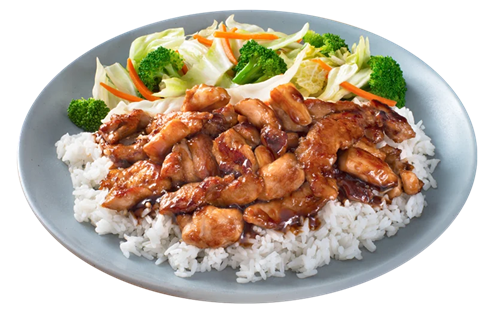
Sarku Japan is the largest Japanese quick-service restaurant (QSR) franchise in the United States, famous for sizzled-to-order Teriyaki chicken, beef, and bento boxes. Operating heavily in high-traffic shopping mall food courts and strip-center store fronts, its compact footprint and high-volume capacity ensure low overhead costs, fast service speed, and exceptional profitability across Texas markets.
" This place needs no gimmicks or people serving samples because it is so noticeably the hot spot in the food area. If you haven't been tempted then you are certainly missing out on great quality food for a low price. They make everything right in front of you which is appealing for those who want fresher made food. The chicken teriyaki is the go to option for most customers and it's on special there. Get that plus fried rice and veggies and you are set for a great lunch option. You'll most likely have some left over because the portions are very generous. The sauce needs a bit of kick for those of us who enjoy the added heat/spice. The chicken is tender and well cooked without many or any chewy gristle pieces. The rice has a great moisture content as Im not a big fan of the dryer fried rice. If fried rice is your normal go to option, maybe try their noodles for a bit of change. You can't go wrong. All for $7."
" Love Sarku Japan, and had this 4 out of the 5 days (different malls) we were in Houston. The Memorial City branch gave out an SJ Club Card that gives you a free Teriyaki Chicken meal with 5 stamps on the card. My personal favourite is the Beef and Chicken combination with steamed rice and vegetables. They also have shrimp and dumplings on their menu. There was a queue when we were there, but it moved pretty fast. Also saw many families sharing the portions as they were quite large. Sarku Japan is worth a try if you are looking for a hearty meal."
| Item | Cost |
|---|---|
| Franchise fee | $30,000 |
| Initial investment | $292,300 - $598,500 |
| Royalty | 6.0% |
| Item | Details |
|---|---|
| Company Name | Sarku Japan (Sarku Management Inc.) |
| Total Number of Restaurants | Approx. 200+ locations |
| Address | 7650 Birchmount Road, Markham, Ontario, L3R 6B9, Canada |
JINYA Ramen Bar offers a sleek, modern dining atmosphere featuring slow-cooked tonkotsu broth, signature handmade noodles, and craft cocktails. Designed as a polished full-service restaurant and bar concept, it captures high-margin evening sales and appeals strongly to young urban professionals, driving impressive average unit volumes across major metropolitan markets in Texas.
" After much food this week I decided to get a good bowl of ramen. Jinya did not disappoint. There are multiple options for vegan and vegetarian people. Yay! The broth was good and not too salty and the toppings pretty good. Service was extremely attentive. Overall a great experience."
" I have visited quite a few Ramen restaurants, but this is by far the tastiest. From the flavorful broth, to the thick noodles this is the spot to go if you're craving authentic ramen fixed the way it's supposed to be. Centrally located in the popular Domain, most likely they'll be a waiting time as it's a hot spot for the locals, but well worth it. Extensive menu to pick and choose, or build your own."
| Item | Cost |
|---|---|
| Franchise fee | $50,000 |
| Initial investment | $1,395,500 – $3,040,000 |
| Royalty | 5.0% |
| Item | Details |
|---|---|
| Company Name | JINYA Holdings, Inc. |
| Total Number of Restaurants | Approx. 75+ locations |
| Address | 21045 Erwin Street, Suite 1A Woodland Hills, CA 91367, USA |
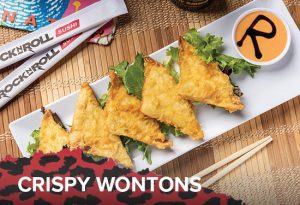
Rock N Roll Sushi combines bold, inventive sushi rolls with a vibrant, high-energy rock 'n' roll atmosphere. Featuring guitar-shaped menus, rock music hits, and big-flavor dishes, this full-service franchise delivers an engaging, memorable dining experience that stands out in suburban strip centers, driving repeat customer traffic and strong beverage sales across Texas markets.
" One of the best go to sushi place for a family night out. Atmosphere is perfect, the music is great, not too loud or drown your voices. Wall decor is amazing! The staff are fantastic! The food is excellent. Tonight is the second visit in a row! We love this place VIP roll, Groupie roll, Tuna Twist and Thriller were amazing choices."
" We try the best rated sushi place every city we go to and R&R was one of our favorites so far! Get the Cindy Lauper and the Heart - both were fantastic. We will definitely return when we are back in town!"
| Item | Cost |
|---|---|
| Franchise fee | $36,000 |
| Initial investment | $218,500 – $585,000 |
| Royalty | 6.0% |
| Item | Details |
|---|---|
| Company Name | Rock N Roll Sushi, LLC |
| Total Number of Restaurants | Approx. 75+ locations |
| Address | 12598 U.S. Highway 98 West, Suite 103, Destin, Florida 32550, USA |
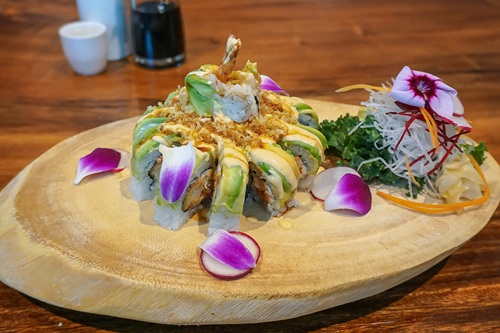
Sushi Sake is a high-energy concept combining traditional Japanese cuisine with dynamic nightlife vibes. Serving premium sushi, hibachi, and sake late into the night, it attracts diverse local crowds and tourists alike, generating exceptional late-night revenue and strong profit margins across prime commercial and suburban locations in Texas.
" Sat at sushi bar to watch the sushi chefs do their thing. Exquisite craftsmanship. Like being in Tokyo. Think of it as your being able to watch and experience an incredible performance as opposed to the restaurant catering to your every wish. That’s how it is in Tokyo and that’s how it is here. We are so lucky to have it here. Enjoy!"
" The best japanese in town. Authentic, creative , original and wonderful. The service could be better ans they should take reservations. They are too busy and the service lack in quality for which I have seen before. They are good priced and the food is always great!"
| Item | Cost |
|---|---|
| Franchise fee | $40,000 |
| Initial investment | $319,500 - $791,500 |
| Royalty | 6.0% |
| Item | Details |
|---|---|
| Company Name | Sushi Sake Management |
| Total Number of Restaurants | Approx. 40+ locations |
| Address | 4866 SW 72 Ave MIAMI, FL 33155, USA |
Gyu-Kaku, JINYA Ramen Bar, and CoCo Ichibanya are not the only options available to prospective Japanese restaurant franchisees in Texas. Depending on the target market, customer demographics, and operating structure, other categories—including sushi, udon and soba, teriyaki, rice bowls, izakaya, tonkatsu, and okonomiyaki—may also be worth considering.
The most suitable concept will vary according to the characteristics of the target area. An accessible everyday dining format may be compatible with a family-oriented suburban market, while a concept capable of serving strong lunch demand may be better suited to a business district. In higher-income areas, an experiential or premium-priced restaurant format may offer a more appropriate market position.
Our guide introduces Japanese restaurant franchises according to different market and location characteristics. If you would like to expand your list of potential franchise opportunities in Texas, explore the other Japanese restaurant categories in addition to the three brands featured above.
Even within Japanese food, the most receptive customer segments vary by genre. This section introduces recommended Japanese food genres based on the characteristics of the prospective area, along with Japanese franchise brands that already operate locations in the United States. The focus is on the food that can be offered by joining each franchise brand.
Gyu-Kaku delivers authenticity through certified Japanese A5 Wagyu. By also featuring USDA Prime beef, they offer steakhouse-quality dining at accessible prices.
From import to processing, Japanese staff strictly manage quality at every step, delivering the same authentic flavor found in premium yakiniku restaurants in Japan.
| Franchise fee | $50,000 |
|---|---|
| Initial investment | Approx. $1,215,444 to $2,606,540 |
| Royalty | 5% on annual sales up to approx. $1,500,000 4.5% on annual sales from approx. $1,500,000 to $2,000,000 4% on annual sales over approx. $2,000,000 |
| Number of restaurants | 825 worldwide (including 63 in the United States and 580 in Asia) |
| TripAdvisor rating | 4.3 out of 5.0 (442 reviews)*2 |
A wide range of toppings, from chicken katsu to omelets, ensures a fresh experience every visit, driving strong customer loyalty.
In addition to toppings, customers can adjust rice portions and spice levels, making the menu enjoyable for those who prefer milder flavors as well as those who want larger portions.
| Initial franchise fee | $40,000 |
|---|---|
| Initial investment | Not listed |
| Royalty | Not listed |
| Number of restaurants | 1,480 worldwide (including 11 in the United States and 1,467 in Asia) |
| TripAdvisor rating | 4.3 out of 5.0 (41 reviews)*3 |
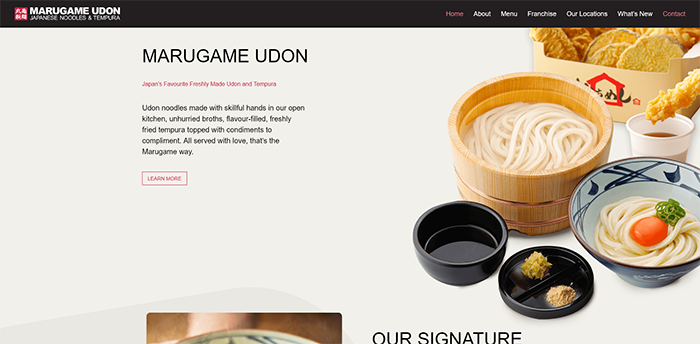
As a popular chain with 861 locations in Japan*1, franchisees are able to consistently serve udon noodles with a firm, chewy texture, supported by the headquarters after opening.
The noodle-making, boiling, and cooling processes are demonstrated in an open kitchen, allowing customers to enjoy a freshly made, live dining experience.
| Franchise fee | $40,000 to $64,000 |
|---|---|
| Initial investment | $1,126,500 to $1,980,000 |
| Royalty | 5% of sales |
| Number of restaurants | 1,188 worldwide (including 23 in the United States and 1,155 in Asia) |
| TripAdvisor rating | 4.5 out of 5.0 (108 reviews)*4 |
*1 Source: Marugame Udon official website(https://jp.marugame.com/shop/), as of a December 2025 survey
*2 TripAdvisor: New York City location, as of October 28, 2025(https://www.tripadvisor.jp/Restaurant_Review-g60763-d3175593-Reviews-Gyu_Kaku_Japanese_BBQ-New_York_City_New_York.html)
*3 TripAdvisor: Irvine location, as of October 28, 2025(https://www.tripadvisor.jp/Restaurant_Review-g32530-d9750729-Reviews-Coco_Ichibanya-Irvine_California.html)
*4 TripAdvisor: Los Angeles location, as of October 28, 2025(https://www.tripadvisor.jp/Restaurant_Review-g32655-d4019757-Reviews-Marugame_Monzo-Los_Angeles_California.html)
* TripAdvisor ratings are based on the highest-rated U.S. location.
*The number of restaurants is based on the following references. As of a December 2025 survey
Gyu-Kaku official website(https://www.gyukaku.ne.jp/world.php)
CoCo Ichibanya official website(https://www.ichibanya.co.jp/comp/ir/finance/highlight/graph01.html)
Marugame Udon official website(https://jp.marugame.com/shop/)